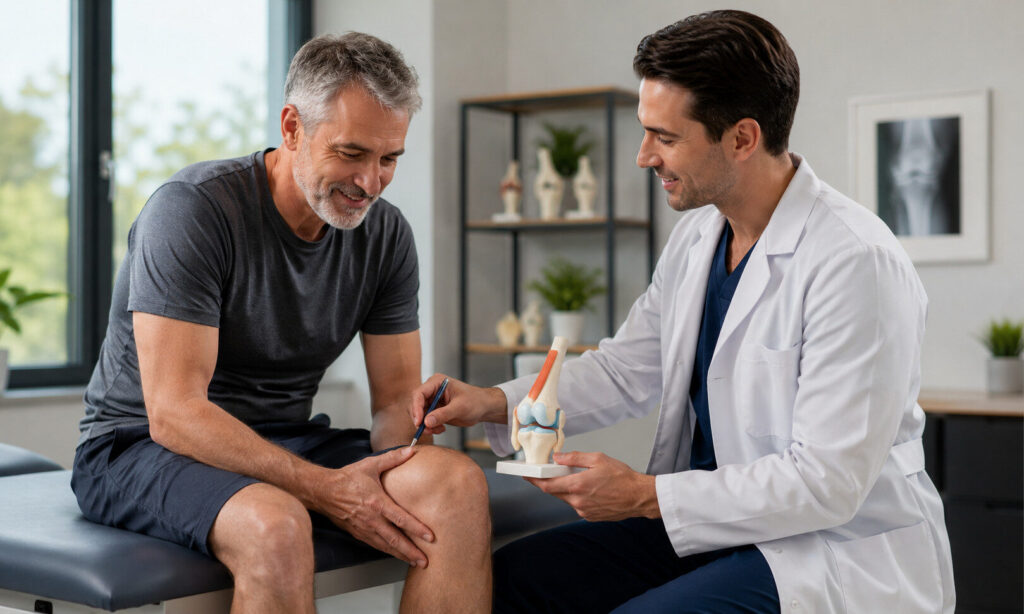

Injury prevention is a cornerstone of modern athletic and musculoskeletal care, guided by the expertise of a sports medicine doctor who understands both performance demands and long-term health outcomes. These professionals integrate clinical research, biomechanics, and individualized assessment to design structured protocols that reduce injury risk across different populations. From amateur athletes to active adults, prevention strategies are no longer optional, they are essential for maintaining mobility, strength, and overall physical resilience. In clinical settings such as IntegraMed Health in Boynton Beach, FL, prevention is approached through a comprehensive, evidence-based model that prioritizes patient education, risk identification, and sustainable physical conditioning.
The Role of a Sports Medicine Doctor in Injury Prevention
A sports medicine doctor plays a critical role in identifying risk factors before injuries occur, combining clinical evaluation with functional testing and patient history. Their approach goes beyond reactive care, focusing instead on proactive strategies that address biomechanical imbalances, training errors, and physiological limitations. By applying research-backed protocols, these specialists help patients maintain consistent physical activity while minimizing the likelihood of acute or chronic injuries.
Clinical Assessment and Risk Stratification
A foundational step in prevention involves a detailed clinical assessment. This includes evaluating joint stability, muscle strength, flexibility, and movement patterns. According to research published by the National Institutes of Health, identifying neuromuscular deficits and correcting them through targeted interventions significantly reduces injury incidence in active populations. This reinforces the importance of early detection and structured intervention.
Individualized Prevention Plans
No two individuals share the same risk profile. A sports medicine doctor tailors prevention strategies based on age, activity level, and medical history. For example, a recreational runner may require gait analysis and strengthening exercises, while a patient recovering from spinal issues may benefit from guidance similar to that provided by a miami back doctor specializing in rehabilitation and spinal health.

Core Injury Prevention Protocols Recommended by a Sports Medicine Doctor
Effective injury prevention is built on a combination of structured training, education, and continuous monitoring. These protocols are widely supported by clinical literature and implemented in leading healthcare centers.
1. Neuromuscular Training Programs
Neuromuscular training focuses on improving coordination, balance, and proprioception. Studies have shown that these programs can significantly reduce the risk of ligament injuries, particularly in the lower extremities. Exercises such as balance drills, agility training, and controlled landing techniques are commonly prescribed.
2. Strength and Conditioning Strategies
Muscle imbalances are a leading cause of injury. A sports medicine doctor designs strength programs that target underdeveloped muscle groups while maintaining overall symmetry. This is especially relevant for patients who may later require evaluation by an orthopedic spine surgeon miami if imbalances lead to structural complications.
3. Flexibility and Mobility Optimization
Limited range of motion can increase stress on joints and soft tissues. Stretching routines and mobility exercises are incorporated into prevention plans to ensure proper movement mechanics and reduce strain during physical activity.

Evidence-Based Insights Supporting Injury Prevention
Scientific research continues to validate the effectiveness of structured prevention programs. A systematic review published in JAMA Internal Medicine found that multi-component interventions, including strength training, balance exercises, and external supports, can reduce the risk of sports-related injuries, often by 30% to 50% depending on the population and intervention type.
Additionally, the Centers for Disease Control and Prevention emphasizes that proper conditioning, gradual progression in activity, and selecting exercises appropriate to an individual’s fitness level are essential components of injury prevention strategies. These recommendations highlight the importance of warming up, increasing activity levels progressively, and choosing safe, sustainable physical activities to reduce injury risk.
These findings reinforce the importance of a comprehensive approach guided by trained professionals.

Sports Medicine Doctor–Led Injury Prevention Strategies in Miami and Beyond
In active urban environments like Miami, injury prevention becomes particularly relevant due to the high level of participation in sports, fitness programs, and recreational activities. A sports medicine doctor working in such settings often encounters a wide range of conditions, from overuse injuries to acute trauma, making prevention protocols even more critical.
Environmental and Lifestyle Considerations
Climate, training surfaces, and lifestyle habits all influence injury risk. For instance, high temperatures and humidity can contribute to fatigue, increasing the likelihood of improper movement patterns. Prevention plans must account for these external variables to remain effective.
Integration with Multidisciplinary Care
In many cases, injury prevention involves collaboration with physical therapists, trainers, and specialists. Facilities like IntegraMed Health in Boynton Beach, FL exemplify this integrated approach, offering patients access to coordinated care that aligns prevention strategies with long-term musculoskeletal health goals.

Practical Injury Prevention Tips from a Sports Medicine Doctor
Implementing prevention strategies does not always require complex interventions. Many foundational principles can be applied consistently to reduce injury risk.
5 Key Injury Prevention Tips
- Warm up properly before any physical activity
- Gradually increase intensity and duration of exercise
- Maintain proper hydration and nutrition
- Use appropriate equipment and footwear
- Listen to your body and avoid pushing through pain
These simple yet effective practices form the basis of most prevention protocols and are reinforced during patient consultations.

Long-Term Benefits of Following Injury Prevention Protocols
Adhering to prevention strategies offers benefits that extend beyond avoiding injury. Patients often experience improved performance, better posture, enhanced mobility, and reduced healthcare costs over time. More importantly, prevention supports long-term independence and quality of life.
Performance Optimization
By addressing weaknesses and inefficiencies, individuals can perform at a higher level with reduced risk. This is particularly valuable for athletes and active individuals seeking consistent progress.
Reduced Need for Surgical Intervention
Effective prevention can minimize the likelihood of severe injuries that require surgical treatment. This highlights the importance of early intervention and ongoing monitoring by qualified professionals.

A Clinical Perspective from IntegraMed Health in Boynton Beach
At IntegraMed Health in Boynton Beach, FL, injury prevention is approached through a patient-centered model that combines clinical expertise with evidence-based protocols. The focus is not only on treating existing conditions but also on empowering patients with the knowledge and tools needed to prevent future injuries. This approach reflects a broader shift in healthcare toward proactive, preventive care.

Final Thoughts from Dr. Vera Billinghurst, PharmD, CPh
“Injury prevention is one of the most powerful tools we have in modern healthcare. When patients understand how their bodies function and receive proper guidance, they can avoid many of the conditions that limit mobility and quality of life,” explains Dr. Vera Billinghurst, PharmD, CPh. “A structured, physician-guided approach ensures that prevention is not just a recommendation, but a sustainable part of long-term health.”
References
Dhillon, H., et al. (2017) Current concepts in sports injury rehabilitation. PubMed Central.
Aaltonen, S., et al. (2007) Prevention of sports injuries: A systematic review of randomized controlled trials. JAMA Internal Medicine.
Centers for Disease Control and Prevention. (2024) Overcoming barriers to physical activity.