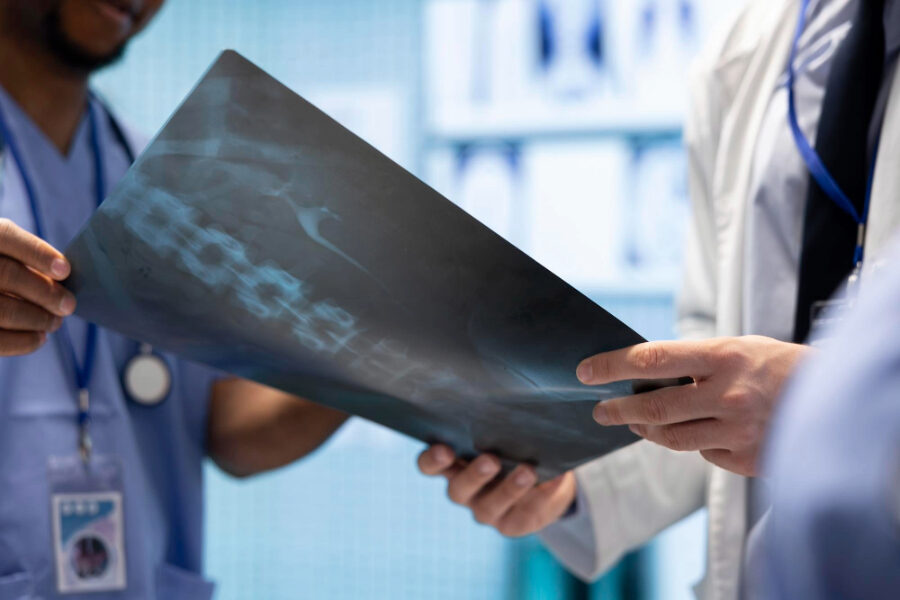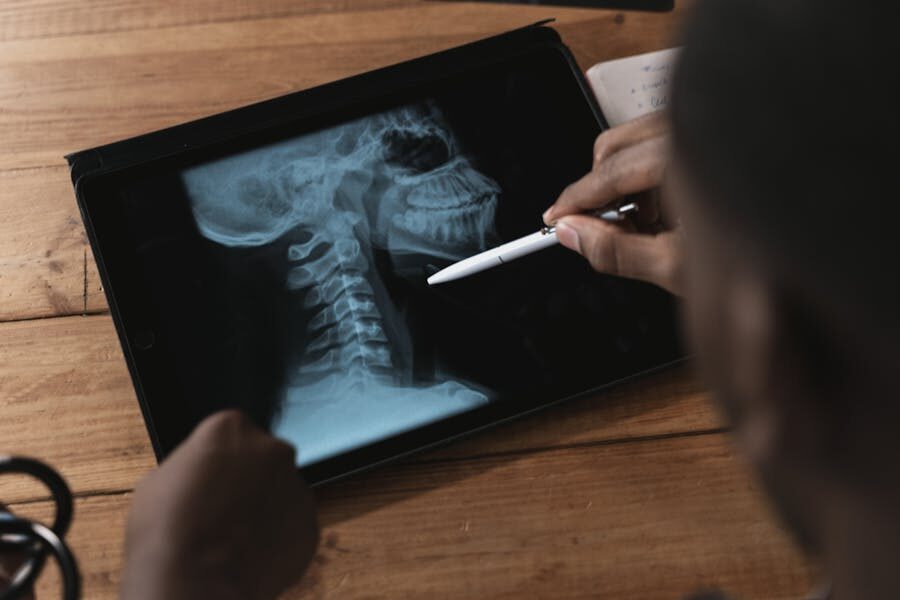


What is a severely herniated disc in the neck?
How cervical disc herniations affect the body
A severe cervical disc herniation can disrupt communication between the brain and the rest of the body. The result may include muscle weakness, numbness, tingling, and restricted movement.
Common symptoms patients experience
Common symptoms include radiating arm pain, headaches, limited neck movement, and in severe cases, difficulty with fine motor control.
Why an MRI is crucial for diagnosis
MRI imaging helps determine the exact location and severity of the herniation. It helps spine specialists tell apart mild cases that respond to therapy from advanced cases that may need interventional care or surgery.

How serious can a herniated disc in the neck become?
A severe herniated disc in the neck can become extremely serious, especially when the herniated material compresses the spinal cord, leading to progressive neurological symptoms. Patients may experience worsening arm weakness, difficulty walking, and even compromised bowel or bladder control, indicating advanced cervical myelopathy. Early detection is key because once nerve damage occurs, full recovery may not always be possible, even after surgery or other advanced treatments.

Diagnosis and MRI findings of a severe cervical disc herniation
An MRI helps specialists evaluate not only the displacement of the disc but also inflammation, narrowing of the spinal canal, and cord compression. These details allow providers like </span>Dr. Jason Billinghurst decide if conservative care is enough or if advanced treatment is needed, creating a plan tailored to each patient’s symptoms and goals.

Treatment options for a severe herniated disc in the neck
Managing a severe cervical disc herniation requires understanding both non-surgical and surgical approaches so that treatment matches symptom severity. Many cases begin with conservative methods such as physical therapy, medication, or injections. However, when symptoms persist or worsen, some patients may need advanced interventions that relieve pressure on the nerves or spinal cord. The goal is always to reduce pain, restore function, and prevent long-term neurological decline.
Non-surgical treatment options
Conservative care may include physical therapy, anti-inflammatory medications, epidural steroid injections, cervical traction, or referral to specialists offering chiropractic treatment for sports injuries for supportive rehabilitation.
When surgery becomes necessary
Surgical intervention is usually recommended when nerve compression leads to weakness or progressive neurological symptoms. Patients researching minimally invasive spine surgery near me often do so when conservative treatments no longer provide relief.
Choosing the right specialist
Selecting an experienced orthopedic spine specialist is critical for accurate diagnosis and safe, effective treatment. These physicians evaluate symptoms, test results, and MRI findings to develop a targeted care plan.

7 important things to consider before starting treatment
Before beginning any treatment plan for a severe cervical disc herniation, patients should understand the severity of their condition and what each intervention aims to achieve. Making informed choices improves recovery outcomes and helps avoid unnecessary procedures when selecting the right medical provider.
- Confirm diagnosis with a cervical MRI.
- Determine whether conservative care has been exhausted.
- Evaluate whether symptoms include weakness or numbness.
- Ask your specialist about surgical vs. non-surgical options.
- Consider recovery times for each treatment.
- Ask whether your condition is causing spinal cord compression.
Compare local specialists’ experience treating cervical herniations.

When to seek immediate medical care for a severe neck disc herniation
While many herniated discs improve with time and guided treatment, some require urgent attention. Severe nerve compression can worsen rapidly, especially when the spinal cord is involved. Patients should be alert to red-flag symptoms including progressive weakness, difficulty walking, or sudden changes in coordination. If any of these symptoms occur, immediate evaluation from a spine specialist is strongly advised to prevent permanent nerve damage.
Expert opinion from IntegraMed
At IntegraMed, Dr. Jason Billinghurst emphasizes that a severe herniated disc in the neck should never be ignored, especially when MRI results show nerve or spinal cord compression. >Dr. Billinghurst states that early evaluation and treatment greatly improve outcomes and lower the risk of long-term neurological damage. Choosing the right specialist and following a structured plan helps patients regain mobility, reduce pain, and protect long-term spinal health.