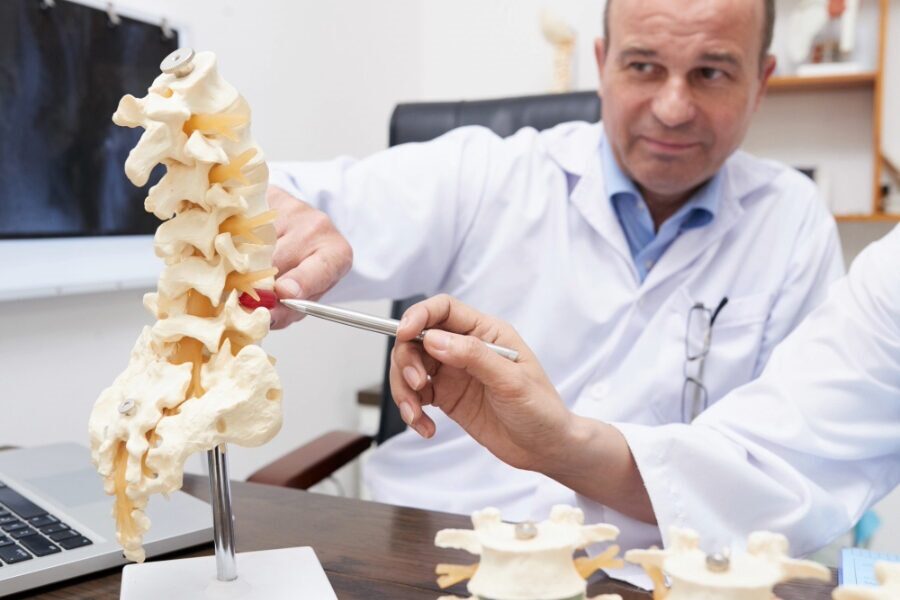

Minimally invasive spine procedures continue to reshape modern spinal care by offering patients advanced surgical solutions with smaller incisions, reduced tissue disruption, and potentially faster recovery compared to some traditional open techniques. This guide is designed to help patients understand each stage of preparation, surgery, and rehabilitation while supporting informed decision-making with medically grounded expectations.
Introduction
Undergoing surgery can feel overwhelming, particularly when spinal health, mobility, and chronic pain are involved. This guide was created to help patients understand what to expect before, during, and after minimally invasive spine surgery while emphasizing preparation, realistic recovery planning, and physician-guided care. Proper preparation and post-operative support may contribute to smoother recovery and improved outcomes (Cleveland Clinic, 2024).
Patients seeking comprehensive orthopedic support through IntegraMed Orthopedics, Spine & Wellness can benefit from specialist-led evaluation and individualized spinal treatment planning.
Patients exploring surgical solutions in Miami, FL, and beyond often seek clarity on candidacy, procedural expectations, pain management, and rehabilitation requirements. By understanding these stages, individuals may feel more confident discussing treatment options with qualified orthopedic specialists and making informed decisions about spinal care.
Understanding Minimally Invasive Spine Surgery
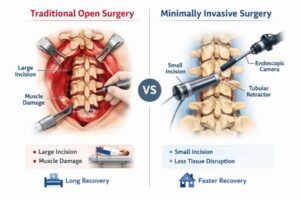
Modern spinal surgery has evolved significantly, with minimally invasive techniques offering alternatives for certain patients who require structural correction, decompression, or stabilization. These procedures generally involve specialized instruments, smaller incisions, and image-guided precision intended to reduce muscle disruption while targeting spinal pathology effectively.
What Is Minimally Invasive Spine Surgery?
Minimally invasive spine surgery (MISS) refers to advanced spinal procedures performed through smaller incisions than conventional surgery, often using tubular retractors, microscopes, or endoscopic tools. According to Cleveland Clinic’s minimally invasive spine surgery overview, these techniques may reduce blood loss, shorten hospital stays, and support faster functional recovery for appropriately selected patients. Additional peer-reviewed findings from surgical outcome research further support the growing role of minimally invasive approaches in modern spinal care.
Why Is This Procedure Performed?
MISS is typically recommended when conservative treatments such as physical therapy, injections, or medications fail to adequately manage symptoms caused by structural spinal problems. The goal is often to relieve nerve compression, improve spinal stability, and restore quality of life.
Common Conditions Treated
Common diagnoses that may lead to surgical consideration include:
Herniated discs, spinal stenosis, degenerative disc disease, spondylolisthesis, vertebral fractures, and certain spinal deformities are among the more common conditions that may be addressed through minimally invasive spinal procedures when conservative care no longer provides sufficient relief.
Potential Benefits
Research suggests that minimally invasive techniques may offer several advantages, including:
- Smaller incisions
- Reduced soft tissue disruption
- Shorter hospital stays
- Faster mobility progression
These benefits may contribute to improved recovery experiences for appropriate surgical candidates, though outcomes depend on diagnosis, procedural complexity, and physician oversight.

Recognizing Common Symptoms Before Surgery
Patients considering surgery often experience persistent symptoms that significantly impact daily function. These symptoms can gradually worsen, limiting mobility and reducing quality of life despite non-surgical treatment attempts. Identifying these warning signs early may help patients pursue specialist evaluation before neurological deficits progress.
Symptoms may include chronic lower back or neck pain, radiating nerve pain, numbness, muscle weakness, reduced walking tolerance, poor balance, and inflammatory discomfort. In some cases, worsening spinal compression may impair occupational performance or daily independence, making specialist consultation increasingly important.

Preparing for Minimally Invasive Spine Surgery
Successful surgical outcomes often begin well before the operating room. Thorough preparation supports medical safety, logistical readiness, and improved recovery planning. Patients should work closely with their surgical team to complete evaluations, optimize health factors, and create a supportive home environment.
Medical Preparation
Preoperative preparation commonly includes:
Preoperative medical preparation often involves blood work, advanced imaging such as MRI or CT scans, surgical consultations, medication review, and medical clearance when necessary to ensure the patient is physically prepared for surgery.
Medications to Discuss
Patients should disclose all medications, supplements, and over-the-counter products. Surgeons may request temporary modification of:
Common medications that may require discussion or temporary adjustment include blood thinners, anti-inflammatory drugs, certain supplements, and diabetes medications, depending on physician recommendations.
Nutrition and Lifestyle Optimization
Hydration, protein intake, and smoking cessation are often emphasized to support healing. Reducing alcohol consumption and improving metabolic health may also enhance recovery capacity.
Preparing Your Home
Preparing the home before surgery can help reduce unnecessary physical strain and improve safety during recovery. Important considerations often include:
- Fall prevention modifications
- Transportation planning
- Meal preparation
- A dedicated recovery area
These adjustments may support a smoother transition from surgical center to home healing.
Night Before Surgery
Most patients are advised to:
The night before surgery often includes fasting according to physician instructions, showering with approved cleansing products, preparing comfortable clothing, and organizing essential medical documentation.
What to Expect on Surgery Day
Knowing the general surgical timeline may reduce anxiety and improve preparedness. While exact details vary by procedure type and facility, most patients benefit from understanding admission processes, anesthesia expectations, and early postoperative milestones.
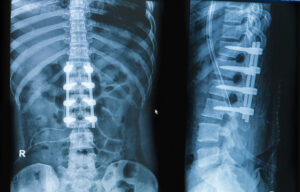
Arrival typically involves registration, vital sign assessment, IV placement, and anesthesia consultation. Following preparation, the surgical team performs the procedure using image-guided or microscopic assistance. Procedure duration varies depending on complexity, but many MISS procedures involve shorter hospitalization than open surgery.
Immediate Postoperative Care
Patients are monitored in recovery for:
- Following surgery
- Recovery staff typically monitor pain levels
- Neurological function
- Mobility tolerance
- Incision stability
- Discharge readiness
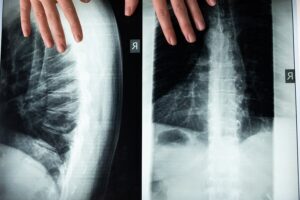
Recovery Process After Minimally Invasive Spine Surgery
Recovery is a progressive process that combines pain management, mobility advancement, and tissue healing. While many patients experience earlier functional improvements than with traditional surgery, realistic expectations and physician compliance remain essential for long-term success.
First 24 Hours
Early walking may begin under supervision. Patients often experience soreness, fatigue, and mild swelling while receiving guidance on movement restrictions.
Week 1
Pain control, incision care, hydration, and mobility become primary priorities. Walking is often encouraged within physician-approved limits.
Weeks 2–4
Patients may gradually increase daily activity while avoiding bending, twisting, or heavy lifting.
Months 2–3
Structured rehabilitation may expand with strengthening exercises, flexibility work, and return-to-work planning.
Long-Term Recovery
Full healing timelines vary depending on procedure type, spinal pathology, and patient health status. Recent data from advanced spinal recovery analysis suggests that individualized rehabilitation planning may significantly influence long-term postoperative outcomes.

Physical Therapy and Rehabilitation
Rehabilitation remains a critical component of spinal recovery. Structured therapy may help restore posture, strengthen supporting musculature, improve flexibility, and reduce reinjury risk.
Common Rehabilitation Goals
Rehabilitation commonly focuses on core strengthening, posture improvement, walking progression, flexibility, and restoring safe functional movement to support long-term spinal stability.
Evidence from peer-reviewed spinal research indicates that postoperative rehabilitation may improve long-term functional outcomes when tailored appropriately. Clinical insights from minimally invasive spine surgery success data and Asian Spine Journal research continue to reinforce the importance of patient-specific rehabilitation strategies.
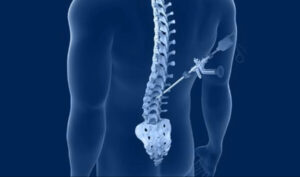
Warning Signs: When to Contact Your Doctor
Although complications are not universal, patients should remain vigilant for concerning symptoms during recovery. Prompt medical communication may reduce complications and improve outcomes.
Warning signs that should prompt immediate physician communication include:
- Fever
- Severe swelling
- Drainage from the incision
- Breathing difficulties
- Worsening numbness or weakness
- Uncontrolled pain
Early intervention may help reduce complications and improve postoperative safety.
Frequently Asked Questions About Minimally Invasive Spine Surgery
1. What are the disadvantages of minimally invasive spine surgery?
2. Who is not a candidate for minimally invasive spine surgery?
3. What do I need at home after back surgery?
4. What are the restrictions after minimally invasive back surgery?
5. What is the fastest way to recover from spinal surgery?

Author: Dr. Jason Billinghurst, MD
Dr. Jason Billinghurst is a board-certified orthopedic spine surgeon at IntegraMed Orthopedics, Spine & Wellness, serving patients across Boynton Beach, West Palm Beach, Miami, and Margate. Known throughout Palm Beach County for advanced spine care, he specializes in minimally invasive spine surgery, disc replacement, spinal decompression, and other modern treatments designed to relieve pain, restore mobility, and improve long-term quality of life.
References
Cleveland Clinic. (2024) Minimally invasive spine surgery. Cleveland Clinic Health Library.
Phan, K., Mobbs, R. J., & Hogan, J. (2019) Minimally invasive versus open laminectomy for lumbar stenosis: Systematic review and meta-analysis. PubMed Central.
Spine.MD. (2024) Minimally invasive spine surgery success rates and patient outcomes. Spine.MD Clinical Insights.
Bokshan, S. L., et al. (2024) Enhanced recovery pathways and rehabilitation outcomes following minimally invasive spine surgery. PubMed Central.
Asian Spine Journal. (2024) Advances in minimally invasive spine surgery techniques and long-term recovery outcomes. Asian Spine Journal.