

Artificial Disc Replacement has become an increasingly utilized surgical option for carefully selected patients experiencing chronic neck or back pain caused by degenerative disc disease. Unlike traditional fusion procedures, disc replacement is designed to preserve motion at the affected spinal level while reducing nerve compression and improving function. This guide was created to help patients understand what to expect before, during, and after surgery, including preparation strategies, recovery expectations, rehabilitation, and long-term considerations that may support improved outcomes and a smoother recovery process.
Facing spine surgery can create understandable concerns about pain, mobility, recovery time, and long-term results. This guide provides a clear overview of the Artificial Disc Replacement process from initial preparation through rehabilitation. Patients will learn about common symptoms that may lead to surgery, how to prepare physically and medically, what to expect on surgery day, and how recovery typically progresses. Proper preparation and post-operative care may contribute to a smoother recovery and improved overall outcomes (Makhni et al., 2023).
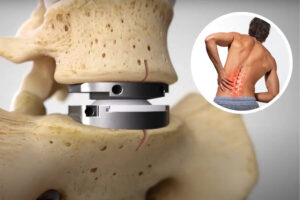
Understanding Artificial Disc Replacement
Artificial Disc Replacement is intended to restore spinal function while maintaining movement at the treated level. This procedure is commonly considered when conservative treatments such as physical therapy, medications, injections, and activity modification have failed to provide adequate symptom relief. For many patients, the goal is not only pain reduction but also preservation of natural spinal biomechanics and improvement in quality of life. Patients researching treatment options often benefit from reviewing an artificial disc replacement patient guide to better understand candidacy requirements, surgical expectations, recovery timelines, and the differences between disc replacement and spinal fusion procedures.
What Is Artificial Disc Replacement?
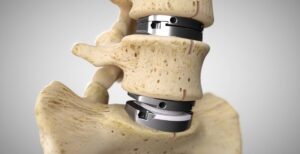
Artificial Disc Replacement is a surgical procedure that removes a damaged spinal disc and replaces it with a prosthetic implant designed to mimic the function of a healthy disc. The procedure may be performed in the cervical spine (neck) or lumbar spine (lower back) depending on the underlying condition. Research on motion-preserving spine procedures has shown that disc replacement may offer outcomes comparable to or better than fusion for selected patients.
Why Is This Procedure Performed?
The procedure is typically recommended when a damaged disc compresses nearby nerves, causing persistent symptoms that interfere with daily activities. Candidates often experience pain despite months of conservative treatment. Physicians evaluate imaging studies, physical examination findings, and symptom patterns before determining whether surgery is appropriate. Determining whether surgery is appropriate requires a thorough evaluation of symptoms, imaging findings, and previous treatment history. An experienced orthopedic back surgeon can assess spinal stability, disc health, and nerve involvement to help identify the most suitable treatment approach for each patient.
Conditions Commonly Treated
Artificial disc replacement may be considered for:
- Degenerative disc disease
- Cervical radiculopathy
- Herniated discs
- Chronic neck pain
- Chronic lower back pain
- Nerve compression syndromes
- Disc-related mobility limitations
Potential Benefits
Potential benefits may include preservation of motion, reduced nerve irritation, improved functional mobility, and decreased pain. Studies evaluating long-term artificial disc outcomes have reported durable improvements in many appropriately selected patients (MedCentral, 2024).

Common Symptoms Before Artificial Disc Replacement
Patients considering Artificial Disc Replacement frequently experience symptoms that progressively affect daily activities, work performance, exercise participation, and overall quality of life. Symptoms often develop gradually as disc degeneration advances and may eventually become resistant to non-surgical treatment. Understanding these symptoms can help patients recognize when specialist evaluation may be appropriate.
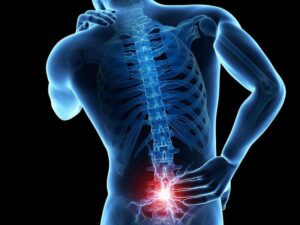
Common symptoms may include chronic neck or back pain, numbness or tingling in the arms or legs, muscle weakness, radiating nerve pain, stiffness, reduced range of motion, difficulty sitting or standing for extended periods, and limitations during physical activity. In some cases, inflammation and nerve compression may contribute to worsening symptoms over time.
Preparing for Artificial Disc Replacement Surgery
Careful preparation before surgery can help reduce stress and ensure patients are physically and mentally ready for the procedure. Pre-operative planning typically involves medical evaluation, imaging review, medication adjustments, nutritional preparation, and home recovery planning. Patients undergoing artificial disc replacement surgery should closely follow instructions provided by their surgical team.
Medical Preparation
Pre-operative assessments commonly include blood work, imaging studies, cardiac clearance when necessary, and a comprehensive review of medical history. Surgeons evaluate spinal anatomy, overall health status, and surgical candidacy before finalizing treatment plans.
Medications to Discuss
Patients should inform their providers about all prescription medications, over-the-counter products, and supplements. Special attention is often given to:
- Blood thinners
- Anti-inflammatory medications
- Herbal supplements
- Diabetes medications
- Immune-suppressing medications
Nutrition & Hydration
Maintaining adequate hydration and consuming sufficient protein may support recovery and tissue healing. Patients are often advised to limit alcohol consumption and avoid smoking prior to surgery, as tobacco use may negatively affect healing and overall surgical outcomes.
Preparing Your Home
Many patients benefit from preparing a recovery-friendly environment before surgery. Consider:
- Creating a comfortable recovery area
- Removing trip hazards
- Preparing meals in advance
- Arranging transportation assistance
- Organizing medications and supplies
The Night Before Surgery
Patients typically receive instructions regarding fasting, showering, medications, and arrival times. Comfortable clothing, identification documents, insurance information, and post-operative instructions should be organized before leaving for the surgical facility.
What to Expect on Surgery Day
Understanding the surgical day experience often helps reduce anxiety and allows patients to feel more prepared for the procedure. While individual protocols vary, most patients follow a similar sequence from check-in through post-operative monitoring. Patients seeking care from a spine surgeon miami specialist or a provider in other Florida communities can expect detailed pre-operative guidance.
Arrival and Check-In
Upon arrival, nursing staff review medical information, verify medications, and prepare the patient for surgery. Intravenous access is established and final assessments are completed.
Anesthesia and Surgical Preparation
Artificial Disc Replacement is generally performed under general anesthesia. Surgical teams carefully position the patient and prepare the operative area using sterile techniques.
Procedure Duration
The length of surgery varies depending on the spinal level treated and procedural complexity. Many procedures are completed within two to four hours, although total facility time may be longer due to preparation and recovery requirements.
Recovery Room
Following surgery, patients are monitored closely as anesthesia wears off. Medical staff assess pain levels, neurological function, vital signs, and mobility before discharge or hospital admission.

Recovery After Artificial Disc Replacement
Recovery is a gradual process that varies based on patient health, surgical complexity, and adherence to rehabilitation recommendations. Most patients experience progressive improvements over time, though complete recovery may require several months. Understanding recovery milestones helps establish realistic expectations and encourages safe participation in rehabilitation activities.
Immediate Recovery
Some discomfort, swelling, and fatigue are expected during the initial recovery period. Walking is often encouraged shortly after surgery to promote circulation and mobility.
Pain Management
Pain control strategies may include prescribed medications, ice therapy, positioning adjustments, and activity modification. Patients should follow provider recommendations regarding medication use and tapering schedules.
Mobility & Activity
Walking is commonly encouraged early in recovery. Heavy lifting, excessive bending, and twisting may be restricted during the initial healing period. Activity progression typically occurs gradually under physician guidance.
Incision Care
Patients receive specific instructions regarding dressing changes, showering, wound monitoring, and signs of infection. Proper incision care supports healing and reduces complications.
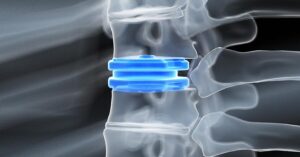
Artificial Disc Replacement Recovery Timeline
Recovery timelines vary, but most patients progress through predictable stages of healing. Understanding these phases can help patients set realistic goals and monitor progress while maintaining communication with their healthcare providers throughout rehabilitation.
First 24 Hours
Patients focus on rest, pain management, hydration, and gentle mobility. Walking is often introduced shortly after surgery.
Week 1
Pain and stiffness may remain present but typically become more manageable. Light activity and short walks are encouraged.
Weeks 2–4
Many patients gradually increase activity levels and begin participating in structured rehabilitation exercises if recommended.
Months 2–3
Functional improvements continue as strength, endurance, and mobility improve. Some patients may return to work depending on occupational demands.
Long-Term Recovery
Long-term recovery often involves continued strengthening, posture training, and activity progression. Research evaluating disc replacement versus fusion outcomes suggests many patients maintain favorable results years after surgery (Washington University School of Medicine, 2009).

Physical Therapy & Rehabilitation
Physical therapy plays an important role in helping patients regain strength, mobility, and confidence after surgery. Rehabilitation programs are typically individualized based on surgical findings, functional goals, and recovery progress. Participation in therapy may support improved movement patterns and long-term spinal health.
Programs frequently include stretching exercises, strengthening activities, posture correction, flexibility training, core stabilization, and gradual return-to-activity protocols. Patients considering treatment options such as minimally invasive spine surgery florida procedures or disc replacement often benefit from structured rehabilitation plans developed by experienced spine specialists.
Warning Signs & When to Contact Your Doctor
Although complications are uncommon, patients should understand warning signs that warrant prompt medical evaluation. Early communication with healthcare providers may help prevent more serious issues and support safer recovery.
Contact your physician if you experience:
- Fever
- Increasing redness around the incision
- Significant drainage
- Severe swelling
- Difficulty breathing
- Worsening numbness or weakness
- Uncontrolled pain
- Sudden neurological changes
Patients in the Boynton Beach area can seek guidance through the IntegraMed team and visit our Boynton Beach location for ongoing follow-up care and recovery monitoring.
Frequently Asked Questions
-
How painful is artificial disc replacement?
Most patients experience moderate post-operative discomfort rather than severe pain. Pain levels generally improve during the first several weeks as healing progresses. Medications, activity modification, and rehabilitation often help manage symptoms effectively.
-
Can I run after artificial disc replacement?
Many patients can eventually return to running and other recreational activities after adequate healing. The timeline depends on surgical findings, overall health, rehabilitation progress, and physician recommendations.
-
Who is not a good candidate for disc replacement?
Patients with significant spinal instability, advanced arthritis, osteoporosis, certain deformities, or multiple levels of severe degeneration may not be ideal candidates. Surgical candidacy requires individualized evaluation.
-
How long is recovery for artificial disc replacement?
Initial recovery often occurs within several weeks, while more complete healing and rehabilitation may continue for several months. Recovery timelines vary based on patient factors and surgical complexity.
-
How do you qualify for a disc replacement?
Qualification generally involves persistent symptoms despite conservative treatment, imaging confirmation of disc disease, appropriate spinal anatomy, and overall medical suitability for surgery.

Reviewed by Dr. Jason Billinghurst, MD
Dr. Jason Billinghurst is a board-certified orthopedic spine specialist with extensive experience treating complex spinal conditions through both conservative and surgical approaches. His clinical focus includes motion-preserving procedures, spinal reconstruction, minimally invasive techniques, and patient-centered treatment planning.
Dr. Jason Billinghurst’s Opinion: “Artificial Disc Replacement can be an excellent option for carefully selected patients because it may relieve nerve compression while preserving spinal motion. Successful outcomes are often supported by appropriate patient selection, thorough preparation, and a commitment to rehabilitation throughout the recovery process.”
References
- Makhni, M. C., Goyal, D. K., Haws, B. E., et al. (2023). Cervical Disc Arthroplasty: Current Evidence and Future Directions. PubMed Central.
- University of Maryland Medical Center. (n.d.). Artificial Disc Replacement Patient Guide. University of Maryland Medical Center.
- Washington University School of Medicine. (2009). Artificial Disc Replacement as Good or Better Than Spinal Fusion Surgery. Washington University in St. Louis.
- MedCentral. (2024). Cervical Artificial Disc Replacement Outcomes at 5 to 10 Years. MedCentral.