
Joint pain caused by arthritis, injuries, or age-related degeneration can limit mobility and affect quality of life. When traditional treatments do not provide sufficient relief, PRP therapy for joint pain may support the body’s natural healing process by using concentrated platelets from the patient’s own blood.
At IntegraMed, orthopedic specialists evaluate each patient individually to determine whether regenerative therapies may be appropriate as part of a comprehensive treatment plan designed to improve function and reduce pain.
What Is PRP Therapy for Joint Pain?
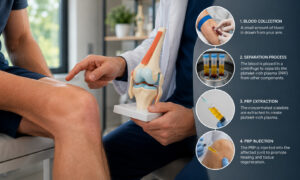
PRP therapy for joint pain involves collecting a small sample of the patient’s blood and processing it in a centrifuge to separate and concentrate platelets. These platelets contain numerous growth factors and signaling proteins that play a role in tissue repair and healing.
Once prepared, the concentrated platelet-rich plasma is injected into the affected joint, tendon, ligament, or soft tissue structure using precise techniques designed to target the injured area.
Unlike medications that primarily focus on symptom management, PRP therapy aims to support the body’s natural healing response by delivering a higher concentration of biologically active growth factors directly to damaged tissues.
According to the American Academy of Orthopaedic Surgeons (AAOS), PRP has shown promise in treating certain orthopedic conditions, although outcomes may vary depending on the diagnosis and patient characteristics.
How PRP Works
The healing process begins immediately after tissue injury. Platelets are among the body’s first responders and release substances that help coordinate tissue repair.
PRP contains growth factors that may contribute to:
- Cellular regeneration
- Tissue repair
- Blood vessel formation
- Collagen production
- Inflammation modulation
- Soft tissue healing
Researchers continue to investigate the role of PRP in orthopedic medicine, with evidence suggesting potential benefits for selected patients with joint degeneration and soft tissue injuries.
Conditions Commonly Treated with PRP
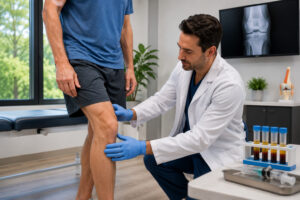
Orthopedic specialists may recommend PRP therapy for joint pain for a variety of musculoskeletal conditions.
Knee Osteoarthritis
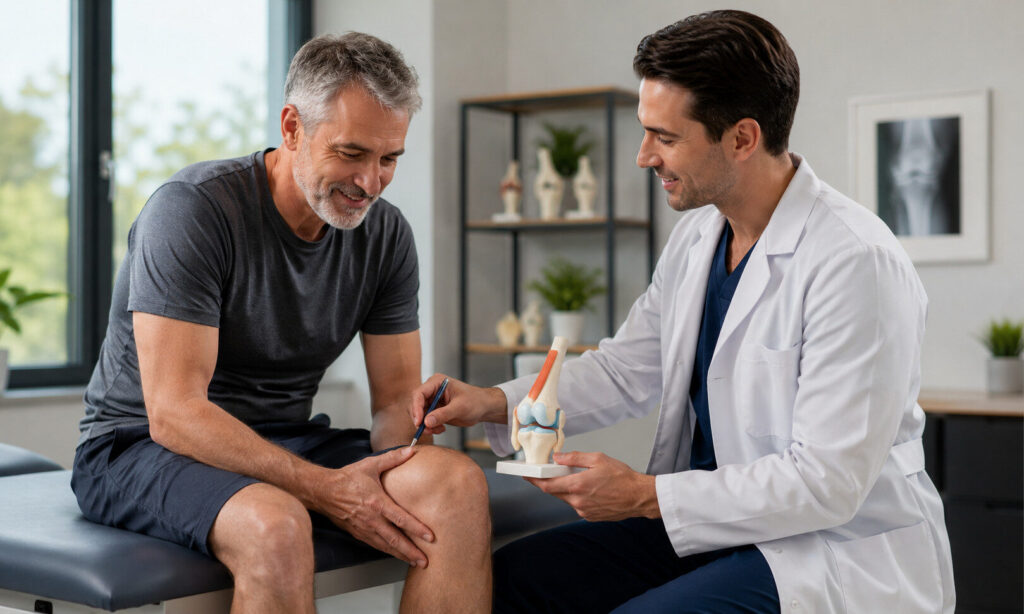
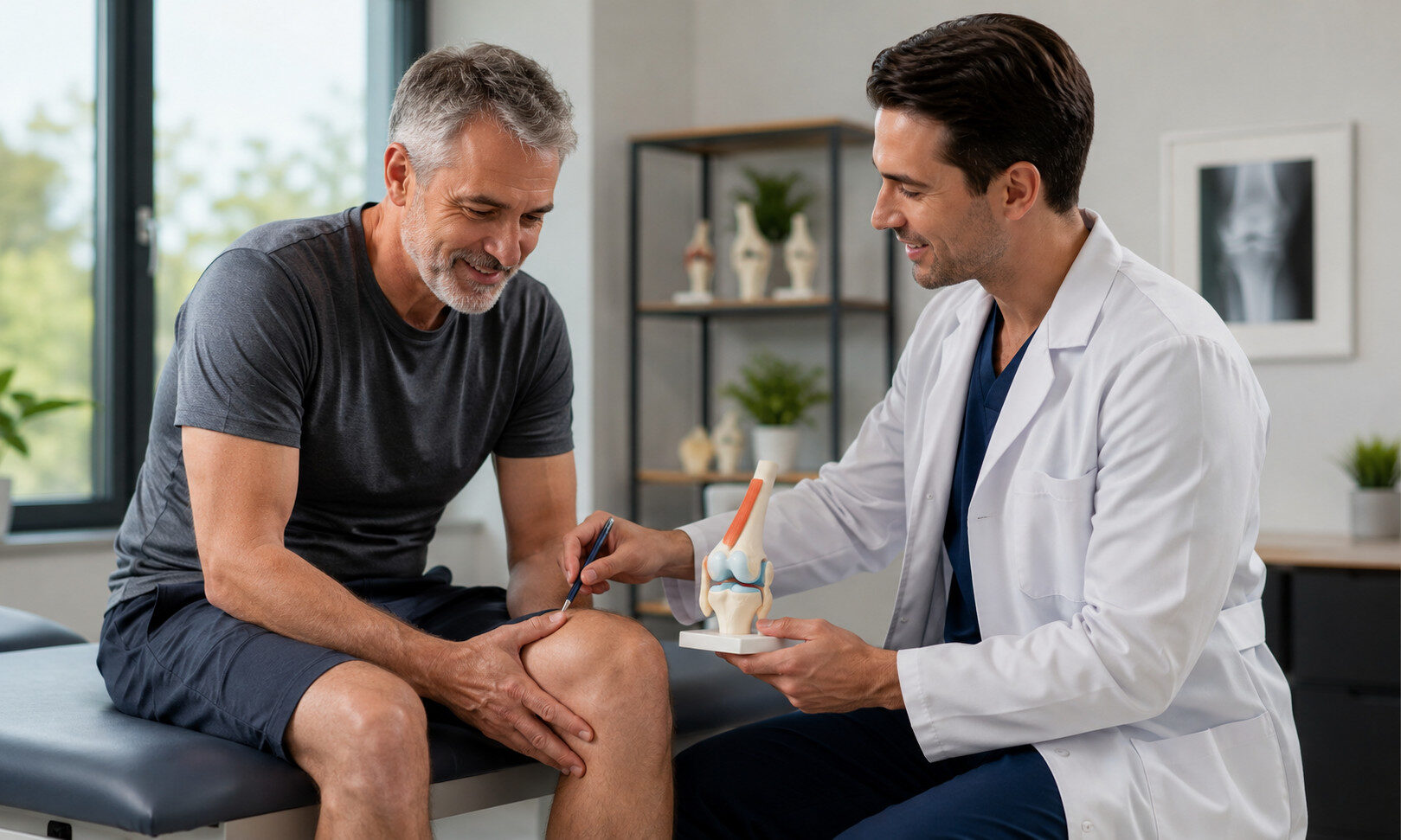
Knee osteoarthritis is one of the most common applications of PRP therapy. Cartilage degeneration can lead to pain, stiffness, swelling, and reduced mobility.
Patients seeking alternatives to surgery often explore PRP injections for knee pain as part of a comprehensive treatment strategy.
Several studies have demonstrated that PRP may provide symptom improvement in patients with mild to moderate knee osteoarthritis by helping reduce inflammation and improve joint function.
Tendon Injuries
PRP may also be used for chronic tendon conditions such as:
- Tennis elbow
- Golfer’s elbow
- Patellar tendinopathy
- Achilles tendinopathy
- Rotator cuff tendinopathy
These injuries often involve poor blood supply and slow healing, making regenerative approaches particularly appealing.
Ligament Injuries
Athletes and active individuals sometimes utilize PRP therapy following ligament injuries to support recovery and rehabilitation efforts.
Hip, Shoulder, and Ankle Pain
PRP injections may be considered for various joints when conservative treatments fail to provide adequate symptom relief.

The Role of Regenerative Medicine in Orthopedics
The growing field of Regenerative medicine orthopedic focuses on therapies designed to support tissue healing and restoration rather than simply masking symptoms.
Regenerative orthopedic treatments may include:
- Platelet-rich plasma (PRP)
- Stem cell-based therapies
- Growth factor therapies
- Biologic injections
While research continues to evolve, these treatments represent an exciting area of modern orthopedic medicine for carefully selected patients.
The goal is to optimize the body’s natural repair mechanisms and potentially delay or reduce the need for more invasive interventions.
Potential Benefits of PRP Therapy
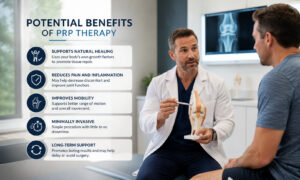
Patients often consider PRP therapy because it utilizes components derived from their own blood and does not involve synthetic medications.
Potential benefits may include:
- Reduced inflammation
- Improved joint function
- Decreased pain levels
- Enhanced tissue healing
- Minimally invasive treatment
- Outpatient procedure
- Low risk of allergic reaction
Because PRP is autologous, meaning it comes from the patient’s own body, the risk of immune rejection is extremely low.
However, outcomes vary, and not all patients experience the same level of improvement.
What Happens During a PRP Procedure?
The procedure is typically performed in an outpatient setting and often requires less than one hour.
Step 1: Blood Collection
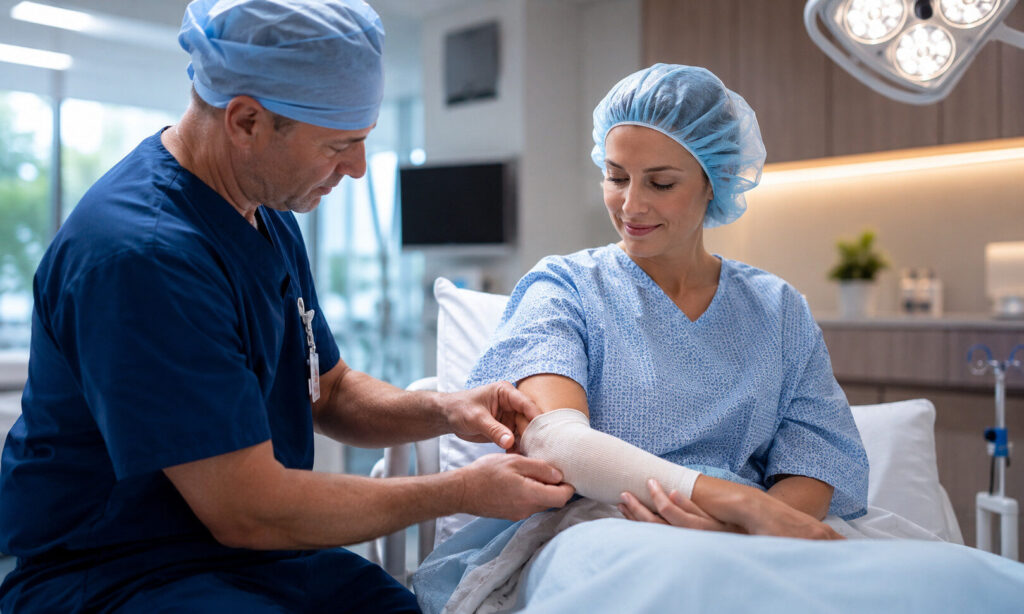
A small amount of blood is drawn from the patient’s arm.
Step 2: Processing
The blood sample is placed in a centrifuge, which separates platelets from other blood components.
Step 3: Injection
The concentrated platelet-rich plasma is injected into the affected area, often using ultrasound guidance for increased accuracy.
Step 4: Recovery
Most patients return home shortly after the procedure.
Activity modifications may be recommended for several days following treatment.

PRP and Peptide-Based Recovery Strategies
As regenerative medicine continues to evolve, some patients explore additional therapies designed to support healing and recovery.
One emerging area of interest involves Peptide therapy for tissue repair, which utilizes naturally occurring amino acid sequences that may influence cellular signaling and tissue regeneration.
Although peptide therapies continue to be studied, some providers incorporate them into broader regenerative treatment plans when clinically appropriate.
Patients should discuss all treatment options with qualified healthcare professionals to determine which therapies align with their specific medical needs and goals.

Who May Be a Candidate for PRP Therapy?
PRP may be considered for patients who:
- Have chronic joint pain
- Experience mild to moderate osteoarthritis
- Have tendon or ligament injuries
- Want to avoid or delay surgery
- Have not achieved sufficient relief with conservative treatment
A comprehensive orthopedic evaluation helps determine whether PRP therapy may be appropriate.
Not every condition responds equally to PRP, and realistic expectations are important when considering regenerative treatments.
Risks and Considerations
Although PRP is generally considered safe, all medical procedures carry potential risks.
Possible side effects include:
- Injection site pain
- Swelling
- Bruising
- Temporary inflammation
- Infection (rare)
Patients should discuss potential risks and benefits with their healthcare provider before proceeding.
Why Patients Choose IntegraMed
IntegraMed Orthopedics, Spine & Wellness provides comprehensive orthopedic care focused on evidence-based treatment strategies tailored to each patient’s needs.
Patients benefit from:
- Personalized evaluations
- Advanced diagnostic imaging
- Non-surgical treatment options
- Regenerative medicine expertise
- Comprehensive rehabilitation planning
The IntegraMed team works closely with patients to determine whether PRP therapy may play a role in achieving their long-term mobility and wellness goals.
Frequently Asked Questions (FAQ)
- How long does PRP therapy take?
Most PRP procedures are completed in less than one hour, including blood collection and injection.
- Is PRP therapy painful?
Patients may experience mild discomfort during and after the injection, but symptoms are typically temporary.
- How many PRP treatments are needed?
The number of treatments varies depending on the condition being treated and individual response.
- Can PRP cure arthritis?
PRP does not cure osteoarthritis, but it may help reduce symptoms and improve function in selected patients.
- When will I notice results?
Some patients begin noticing improvement within several weeks, while others may experience gradual benefits over several months.

Reviewed by Dr. Jason Billinghurst, MD
Dr. Jason Billinghurst is a board-certified orthopedic spine specialist with extensive experience treating complex spinal conditions through both conservative and surgical approaches. His clinical focus includes motion-preserving procedures, spinal reconstruction, minimally invasive techniques, and patient-centered treatment planning.
References
American Academy of Orthopaedic Surgeons. (2024). Platelet-rich plasma (PRP). OrthoInfo.
Andia, I., & Maffulli, N. (2018). Platelet-rich plasma for managing pain and inflammation in osteoarthritis. Nature Reviews Rheumatology, 14(12), 721–730.
Ramasamy, T. S., et al. (2024). Platelet-rich plasma (PRP) in musculoskeletal medicine: Current evidence, applications, and future directions. Journal of Clinical Medicine, 13(23), Article 7294.