

Persistent muscle pain can make everyday activities difficult, affecting work, sleep, exercise, and overall quality of life. When conservative treatments such as stretching, medication, physical therapy, or activity modification do not provide adequate relief, muscle pain injections may be considered as part of a comprehensive treatment plan.
This guide was created to help patients understand what to expect before, during, and after the procedure. Proper preparation and post-procedure care may support a smoother recovery and improve overall treatment outcomes.
Muscle pain injections may help reduce inflammation, relax irritated muscle tissue, improve mobility, and support participation in rehabilitation programs. These treatments are commonly used alongside physical therapy, exercise, and other nonsurgical interventions.
Understanding the Procedure
Many patients are unfamiliar with injection-based pain management treatments and may feel uncertain about what they involve. Understanding how these procedures work can help patients make informed decisions regarding their care.
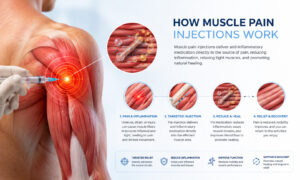
What Is an Injection for Muscle Pain?
An injection for muscle pain is a minimally invasive treatment designed to target specific painful muscles or soft tissue structures. Depending on the diagnosis, medications may include:
- Local anesthetics
- Corticosteroids
- Anti-inflammatory agents
- Other physician-selected medications
The goal is to reduce pain, improve movement, and help patients participate more effectively in rehabilitation.
Why Is This Procedure Performed?
Healthcare providers may recommend an injection when muscle pain persists despite conservative treatment.
Common reasons include:
- Chronic muscle tightness
- Myofascial pain syndrome
- Trigger points
- Limited mobility
- Recurrent muscle spasms
- Pain interfering with daily activities
Conditions Commonly Treated
An injection for muscle pain may be used for:
- Myofascial pain syndrome
- Neck pain
- Upper back pain
- Shoulder pain
- Lower back pain
- Muscle spasms
- Sports-related injuries
- Postural strain
Many patients who experience persistent muscular pain may benefit from muscle trigger point injections as part of a broader pain management strategy.
Potential Benefits
Potential benefits may include:
- Reduced pain
- Improved flexibility
- Increased mobility
- Decreased muscle tension
- Better participation in physical therapy
- Improved quality of life
Results vary based on the underlying cause of pain and individual patient factors.

Common Symptoms Before Treatment
Patients considering an injection for muscle pain often report symptoms that have persisted for weeks or months despite conservative care.
Common symptoms include:
- Localized muscle tenderness
- Muscle knots
- Persistent soreness
- Reduced range of motion
- Stiffness
- Pain with movement
- Difficulty sleeping
- Pain during exercise
- Referred pain patterns
- Muscle fatigue
Symptoms may worsen after prolonged sitting, repetitive activity, or periods of stress.
Preparing for Treatment
Preparation is generally straightforward, but following your provider’s instructions can help optimize safety and comfort.
Medical Preparation
Before treatment, your provider may review:
- Medical history
- Current symptoms
- Physical examination findings
- Previous treatments
- Imaging studies if available
- Medication use
Diagnostic accuracy is essential to ensure the correct pain source is being treated.
Medications to Discuss
Patients should inform providers about:
- Blood thinners
- Anti-inflammatory medications
- Diabetes medications
- Steroids
- Herbal supplements
- Prescription pain medications
Never stop medications without medical guidance.
Nutrition & Hydration
Patients are generally encouraged to:
- Stay hydrated
- Eat balanced meals
- Avoid excessive alcohol consumption
- Follow specific instructions provided by the treating physician
In most cases, extensive fasting is not required.
Preparing Your Schedule
Patients should consider:
- Wearing comfortable clothing
- Arranging transportation if sedation is used
- Limiting strenuous activity afterward
- Scheduling follow-up appointments
Day of the Procedure
Patients should:
- Arrive on time
- Bring identification
- Provide medication information
- Report recent illness or infection
- Inform staff about allergies

What to Expect During the Procedure
Understanding the treatment process may help reduce anxiety and improve the overall patient experience.
Arrival and Check-In
Patients complete:
- Registration
- Medical review
- Consent forms
- Symptom discussion
Procedure Preparation
The treatment area is cleaned and prepared using sterile technique.
Depending on the location being treated, the physician may:
- Identify trigger points manually
- Use imaging guidance
- Mark treatment areas
Injection Process
The physician carefully inserts a small needle into the affected muscle.
The injection may contain:
- Local anesthetic
- Corticosteroid medication
- Other physician-selected agents
The procedure is usually brief and often completed within minutes.
Immediately After Treatment
Most patients can return home shortly after treatment.
Temporary soreness at the injection site is common.

Understanding the Recovery Process
Recovery following an injection for muscle pain is typically faster than recovery from surgery.
Most patients resume normal activities relatively quickly, although specific recommendations vary.
Immediate Recovery
Patients may experience:
- Mild soreness
- Temporary numbness
- Local tenderness
- Temporary increase in symptoms
These effects are usually short-lived.
Pain Management
Providers may recommend:
- Ice application
- Light stretching
- Hydration
- Temporary activity modification
Patients should follow individualized instructions.
Mobility & Activity
Walking and light movement are often encouraged.
Patients may be advised to avoid:
- Heavy lifting
- Intense exercise
- High-impact activities
for a short period following treatment.
Monitoring Symptoms
Patients should track:
- Pain reduction
- Functional improvement
- Changes in mobility
- Duration of symptom relief
This information helps guide future treatment decisions.
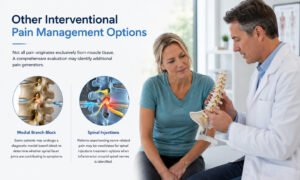
Other Interventional Pain Management Options
Not all pain originates exclusively from muscle tissue. A comprehensive evaluation may identify additional pain generators.
For example, some patients may undergo a diagnostic medial branch block to determine whether spinal facet joints are contributing to symptoms.
Patients experiencing nerve-related pain may also be candidates for spinal injections treatment options when inflammation around spinal nerves is identified.
Frequently Asked Questions (FAQ)
- How long does pain relief last?
Relief varies depending on the underlying condition and individual response to treatment.
- Are muscle pain injections painful?
Most patients experience only brief discomfort during the procedure.
- Can I drive afterward?
Many patients can drive after treatment, although this depends on the medications used and physician recommendations.
- Is physical therapy necessary?
Physical therapy is often recommended to support long-term improvement.
- How quickly will I notice results?
Some patients experience improvement within days, while others may notice gradual changes over several weeks.
- Will I need additional injections?
Some patients benefit from repeat treatments depending on symptom recurrence and overall treatment goals.

Reviewed by Dr. Jason Billinghurst, MD
Dr. Jason Billinghurst is a board-certified orthopedic spine specialist with extensive experience treating complex spinal conditions through both conservative and surgical approaches. His clinical focus includes motion-preserving procedures, spinal reconstruction, minimally invasive techniques, and patient-centered treatment planning.
References
Cleveland Clinic. (n.d.). Trigger point injections. Cleveland Clinic. https://my.clevelandclinic.org/health/treatments/17582-trigger-point-injection
Johns Hopkins Medicine. (n.d.). Pain management. https://www.hopkinsmedicine.org/health/treatment-tests-and-therapies/pain-management
Mayo Clinic. (n.d.). Chronic pain. https://www.mayoclinic.org/diseases-conditions/chronic-pain/symptoms-causes/syc-20050829
National Center for Biotechnology Information. (2023). Myofascial pain syndrome. In StatPearls. StatPearls Publishing. https://www.ncbi.nlm.nih.gov/books/NBK499882/
National Center for Biotechnology Information. (2023). Trigger point injections. In StatPearls. StatPearls Publishing. https://www.ncbi.nlm.nih.gov/books/NBK542196/
Roldan, C. J., Patel, M., & Singhal, A. (2022). Trigger point management. American Family Physician, 107(2), 137–144. https://pmc.ncbi.nlm.nih.gov/articles/PMC9116734/
U.S. National Library of Medicine. (n.d.). Myofascial pain syndrome. MedlinePlus. https://medlineplus.gov/ency/article/007485.htm