

Microdiscectomy is a commonly performed spinal procedure designed to relieve pressure on irritated or compressed nerve roots caused by a herniated lumbar disc. While the surgery is generally considered less invasive than many traditional spinal operations, proper preparation and a clear understanding of the recovery process remain important. This guide was developed to help patients better understand what to expect before surgery, on the day of the procedure, and throughout the rehabilitation period that follows.
Preparing for spine surgery can feel overwhelming, especially when symptoms such as persistent leg pain, numbness, or weakness have already affected daily activities for weeks or months. This guide was created to provide clear, patient-friendly information about treatment planning, surgical expectations, recovery milestones, and rehabilitation strategies. Understanding each phase of care may help patients feel more confident and better prepared for the surgical journey ahead while supporting informed decision-making throughout the process.
For individuals researching treatment options such as microdiscectomy, understanding the goals of surgery and the factors that influence recovery is essential. Clinical research has shown that carefully selected patients may experience meaningful symptom improvement when nerve compression caused by a lumbar disc herniation is addressed surgically (Gadjradj et al., 2025). This guide presents evidence-based information in a calm, professional format designed to support discussions with your healthcare provider.
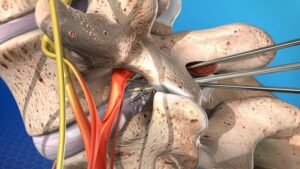
Understanding Microdiscectomy Surgery
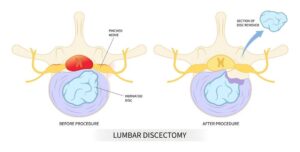
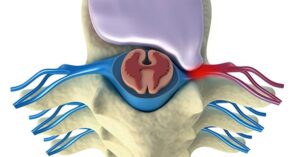
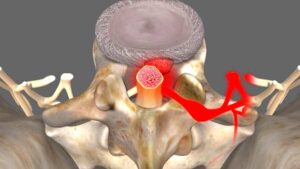
A microdiscectomy is typically performed when conservative treatments such as physical therapy, medications, activity modification, or injections fail to provide adequate relief from nerve-related symptoms. The procedure focuses on removing the portion of a herniated disc that is compressing a spinal nerve. By reducing this pressure, many patients experience improvement in leg pain and functional limitations while preserving most of the natural disc structure.
Patients considering microdiscectomy surgery often seek answers regarding expected outcomes, surgical risks, and long-term recovery. Modern surgical techniques continue to evolve, with research supporting minimally disruptive approaches that aim to reduce tissue trauma and facilitate recovery while maintaining effectiveness.
What Is Microdiscectomy?
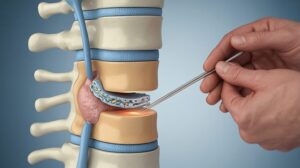
Microdiscectomy is a surgical procedure commonly used to treat lumbar disc herniations that compress nearby nerve roots. Through a small incision, specialized instruments and magnification techniques allow the surgeon to access the affected area while minimizing disruption to surrounding tissues. Only the disc material responsible for nerve compression is removed, helping preserve spinal stability.
During a microdiscectomy procedure, the surgeon focuses on removing only the disc fragment that is pressing on the affected nerve. This targeted approach is one reason the surgery is often discussed for patients with leg-dominant pain, sciatica symptoms, or nerve irritation that has not improved with conservative care.
Why Is This Procedure Performed?
The surgery is generally recommended when a lumbar disc herniation causes persistent symptoms that significantly interfere with daily activities or quality of life. These symptoms often include radiating leg pain, numbness, tingling sensations, and muscle weakness that do not improve with conservative treatment measures.
Conditions Commonly Treated
Microdiscectomy may be considered for several spinal conditions, including:
- Lumbar disc herniation
- Sciatica caused by nerve compression
- Radiculopathy
- Persistent leg pain related to disc injury
- Neurological symptoms affecting mobility or strength
Clinical evidence continues to support surgical intervention for carefully selected patients experiencing persistent nerve compression caused by lumbar disc herniation. Findings from lumbar disc surgery research have contributed to a better understanding of which patients may benefit most from surgical treatment when conservative therapies have not provided sufficient relief (Arts et al., 2011).
Potential Benefits
Potential benefits vary among patients but may include reduced nerve irritation, improved mobility, decreased leg pain, enhanced function, and a faster return to normal activities compared to more extensive spinal procedures. Studies evaluating long-term microdiscectomy outcomes have demonstrated favorable patient satisfaction and symptom improvement following appropriately indicated surgery (Gadjradj et al., 2025).
For patients exploring a microdiscectomy procedure, individualized evaluation remains essential to determine whether surgical intervention is the most appropriate treatment option.
Common Symptoms Before Microdiscectomy
Patients who ultimately undergo surgery often experience symptoms that have persisted despite conservative care. While symptom severity varies significantly from person to person, nerve compression caused by a herniated disc can affect physical function, work performance, sleep quality, and overall well-being. Recognizing these symptoms helps patients better understand why surgery may be recommended when non-operative approaches fail to provide sufficient relief.
Common symptoms that may lead to surgical evaluation include chronic lower back discomfort, radiating leg pain, numbness, muscle weakness, tingling sensations, difficulty standing for prolonged periods, and limitations during walking or exercise. Some patients also report worsening symptoms when sitting, bending, coughing, or lifting objects.
In more advanced cases, nerve compression may contribute to progressive neurological deficits. When weakness or loss of function develops, timely medical evaluation becomes increasingly important.
Preparing for Microdiscectomy Surgery
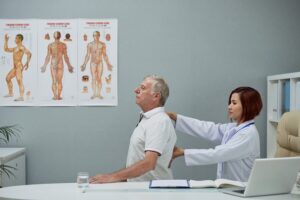
Successful outcomes often begin before the operation itself. Thorough preparation allows healthcare providers to identify potential risk factors, optimize patient health, and establish realistic expectations regarding recovery. Taking proactive steps before surgery may also help reduce anxiety and improve overall readiness for the procedure and rehabilitation process that follows.
Patients preparing for surgery frequently work closely with their care team to complete medical evaluations, review medications, address lifestyle factors, and organize their home environment for recovery. Individuals seeking treatment from an orthopedic back surgeon are often encouraged to actively participate in preoperative planning to help support a smoother recovery experience.
Medical Preparation
Prior to surgery, healthcare providers may recommend:
- Blood tests
- Updated imaging studies
- Medical clearance evaluations
- Cardiovascular assessments when indicated
- Review of current medications and supplements
These evaluations help identify factors that could influence surgical safety or recovery.
Medications to Discuss With Your Doctor
Certain medications and supplements may require temporary adjustment before surgery. Patients should discuss:
- Blood-thinning medications
- Anti-inflammatory drugs
- Herbal supplements
- Diabetes medications
- Prescription pain medications
Medication instructions should always be followed exactly as directed by the surgical team.
Nutrition and Hydration
Proper nutrition supports healing and recovery. Many providers recommend maintaining hydration, consuming adequate protein, and focusing on nutrient-dense foods in the weeks leading up to surgery. Smoking cessation is often strongly encouraged because tobacco use may negatively affect healing and recovery outcomes.
Alcohol consumption may also need to be limited or avoided prior to surgery based on individual medical recommendations.
Preparing Your Home
Creating a comfortable recovery environment before surgery can help reduce unnecessary strain afterward. Consider:
- Removing tripping hazards
- Preparing meals in advance
- Arranging transportation
- Creating an easily accessible recovery area
- Keeping frequently used items within reach
Patients planning microdiscectomy recovery often find that advance preparation helps make the first few postoperative days more manageable.
The Night Before Surgery
Most patients receive specific instructions from their surgical team regarding fasting requirements and arrival times. Common recommendations may include:
- Following fasting instructions carefully
- Showering according to preoperative guidelines
- Preparing comfortable clothing
- Organizing identification and insurance documents
- Confirming transportation arrangements
For patients considering treatment options in Margate, FL, discussing individualized preparation requirements with the surgical team can help ensure a smoother experience before and after surgery.
Additionally, patients researching advanced spinal care frequently explore resources related to minimally invasive spine surgery florida and consultation with an experienced spine surgeon miami to better understand available treatment pathways.
What to Expect on the Day of Surgery
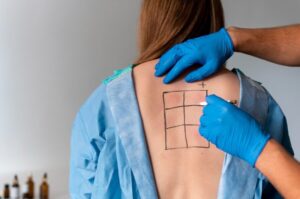
The day of surgery is often accompanied by understandable anxiety, but most patients find that having a clear understanding of the process helps them feel more comfortable. From arrival and check-in to recovery room monitoring, each stage follows a structured protocol designed to prioritize patient safety and surgical efficiency. Your healthcare team will review final instructions, answer remaining questions, and ensure that all preparations have been completed before proceeding.
Arrival and Check-In
Patients are generally asked to arrive well before the scheduled procedure time. During check-in, staff members verify identification, medical records, consent forms, and insurance information. Vital signs are recorded, and final preoperative assessments are completed.
Anesthesia and Surgical Preparation
Microdiscectomy is commonly performed under general anesthesia. Before entering the operating room, the anesthesia team reviews medical history, medications, allergies, and any prior anesthesia experiences. Once anesthesia is administered, the surgical area is carefully prepared and sterilized.
Procedure Duration
Although every case is unique, many microdiscectomy procedures are completed within approximately one to two hours. The exact duration depends on factors such as anatomy, surgical complexity, and whether additional findings are encountered during the procedure.
Recovery Room
After surgery, patients are transferred to a recovery area where medical staff monitor vital signs, pain levels, neurological status, and overall comfort. Many individuals begin walking with assistance on the same day, depending on physician recommendations and recovery progress.
Understanding the Recovery Process After Microdiscectomy
Recovery following microdiscectomy is typically gradual and highly individualized. While many patients experience meaningful relief from leg pain relatively soon after surgery, complete healing requires time and adherence to postoperative instructions. The recovery process focuses on protecting the surgical site, encouraging safe movement, managing discomfort, and progressively restoring normal function while minimizing unnecessary strain on the spine.
Research evaluating minimally invasive discectomy outcomes has demonstrated that recovery often involves both physical healing and gradual neurological improvement as irritated nerves recover from prior compression (Ryang et al., 2015).
Immediate Recovery
During the first several days after surgery, patients may experience:
- Mild incision discomfort
- Temporary soreness around the surgical site
- Residual numbness or tingling
- Fatigue
- Mild muscle stiffness
Improvement in leg pain is often noticeable early, although recovery patterns vary considerably among individuals.
Pain Management
Postoperative discomfort is usually managed through a combination of physician-directed strategies that may include prescription medications, over-the-counter medications when appropriate, activity modification, and positioning techniques.
Some patients also benefit from:
- Short walking sessions
- Ice application as recommended
- Maintaining good posture
- Avoiding prolonged sitting
Mobility and Activity
Walking is frequently encouraged shortly after surgery because it promotes circulation and supports recovery. However, patients are typically advised to avoid heavy lifting, repetitive bending, twisting motions, and high-impact activities during the initial healing period.
Gradual increases in activity are generally introduced according to physician guidance and individual recovery progress.
Incision Care
Proper wound care helps reduce the risk of complications. Patients should follow all instructions regarding:
- Dressing changes
- Showering guidelines
- Incision cleaning
- Activity restrictions
- Monitoring for signs of infection
Any unusual redness, drainage, swelling, or worsening pain should be reported promptly to the healthcare provider.
Microdiscectomy Recovery Timeline
Recovery occurs in stages, and understanding typical milestones may help patients establish realistic expectations. While individual experiences vary, many patients follow a progression similar to the timeline below.
First 24 Hours
Most patients focus on rest, pain management, short periods of walking, hydration, and following postoperative instructions. Assistance with daily activities may be beneficial during this period.
Week 1
Walking distances often increase gradually. Some soreness and fatigue remain normal. Patients continue avoiding lifting, twisting, and strenuous activities while monitoring incision healing.
Weeks 2–4
Many individuals begin resuming light daily activities. Sitting tolerance often improves, and postoperative discomfort may continue decreasing. Depending on job requirements, some patients may discuss returning to work with their physician.
Months 2–3
Strength, endurance, and mobility typically continue improving. Physical therapy may become more advanced, focusing on core stabilization, posture, and functional movement patterns.
Long-Term Recovery
Long-term outcomes depend on numerous factors, including overall health, adherence to rehabilitation recommendations, occupational demands, and the severity of preoperative symptoms. Many patients gradually return to recreational activities and exercise programs under medical supervision.
Evidence from microdiscectomy recovery studies suggests that carefully selected patients frequently report sustained symptom improvement and enhanced quality of life following treatment (Lurie et al., 2018).

Physical Therapy and Rehabilitation Following Microdiscectomy
Physical therapy often plays an important role in helping patients safely regain strength, flexibility, and functional movement. Rehabilitation programs are designed to address both recovery from surgery and prevention of future spinal strain. The pace of therapy varies according to healing progress, physician recommendations, and individual patient goals.
A structured rehabilitation plan may help improve movement efficiency, reduce compensatory patterns, and support long-term spinal health.
Early Rehabilitation Goals
Initial therapy commonly focuses on:
- Safe walking progression
- Gentle mobility exercises
- Postural awareness
- Pain management strategies
- Functional movement education
Strengthening and Stability
As healing progresses, rehabilitation frequently incorporates exercises targeting:
- Core stabilization
- Hip strength
- Lumbar support muscles
- Balance and coordination
- Functional movement mechanics
Long-Term Movement Strategies
Long-term rehabilitation often emphasizes proper lifting techniques, workplace ergonomics, flexibility training, and ongoing physical activity habits that support spinal wellness and reduce future injury risk.

Warning Signs and When to Contact Your Doctor
Although complications are relatively uncommon, patients should understand the symptoms that warrant medical attention. Early communication with a healthcare provider can help address concerns before they become more serious.
Contact your physician if you experience:
- Fever
- Significant wound drainage
- Increasing redness around the incision
- Severe swelling
- Difficulty breathing
- New or worsening weakness
- Progressive numbness
- Loss of bladder or bowel control
- Uncontrolled pain
Prompt evaluation helps ensure appropriate treatment if complications develop.
Frequently Asked Questions About Microdiscectomy
-
How painful is a microdiscectomy?
Most patients experience some soreness and incision-related discomfort after surgery, but many report that nerve-related leg pain improves significantly. Pain levels vary depending on the individual, surgical complexity, and overall health status.
-
What happens 3 weeks after Microdiscectomy?
Around three weeks after surgery, many patients notice continued improvement in mobility and daily function. Walking tolerance often increases, and postoperative discomfort may gradually decrease. Recovery remains ongoing, and activity restrictions may still apply.
-
How painful is microdiscectomy surgery?
The procedure itself is performed under anesthesia, so patients do not feel pain during surgery. Afterward, temporary soreness and stiffness are expected, but pain management strategies are designed to help keep discomfort manageable during recovery.
-
How long is recovery for microdiscectomy?
Recovery timelines vary, but many patients resume light activities within several weeks. More demanding physical activities may require additional healing time, often extending several months depending on physician recommendations and individual progress.
-
How do you qualify for microdiscectomy?
Candidates are typically individuals with a herniated lumbar disc causing nerve compression symptoms such as sciatica, weakness, numbness, or persistent pain that has not improved with conservative treatment. A thorough evaluation, imaging studies, and clinical examination help determine candidacy.

Reviewed by Dr. Jason Billinghurst, MD
Dr. Jason Billinghurst is a board-certified orthopedic surgeon with extensive experience treating spinal disorders, musculoskeletal conditions, and complex orthopedic injuries. Through IntegraMed Orthopedics, Spine & Wellness, Dr. Billinghurst works alongside a multidisciplinary team dedicated to helping patients understand their treatment options and make informed healthcare decisions.
Dr. Jason Billinghurst’s Opinion: “Microdiscectomy can be an effective option for carefully selected patients experiencing persistent nerve compression symptoms. Thorough evaluation, appropriate surgical planning, and commitment to postoperative rehabilitation all play important roles in supporting a successful recovery and helping patients return to their daily activities with greater comfort and function.”
References
- Gadjradj, P. S., Harhangi, B. S., Amelink, J., et al. (2025). Long-Term Outcomes Following Lumbar Microdiscectomy. PubMed Central.
- Arts, M. P., Brand, R., van den Akker, M. E., et al. (2011). Tubular Diskectomy vs Conventional Microdiskectomy for Lumbar Disk Herniation. ScienceDirect.
- Ryang, Y. M., Oertel, M. F., Mayfrank, L., et al. (2015). Minimally Invasive Lumbar Discectomy Outcomes and Surgical Considerations. Neurosurgical Focus.
- Lurie, J. D., Tosteson, T. D., Tosteson, A. N., et al. (2018). Long-Term Results of Lumbar Disc Herniation Surgery. PubMed.