

Carpal tunnel syndrome can gradually interfere with daily life, causing numbness, tingling, hand weakness, and persistent discomfort that may worsen over time. This comprehensive guide was developed to help patients understand the full process of preparing for, undergoing, and recovering from carpal tunnel release surgery while supporting informed, confident medical decisions.
Introduction to Carpal Tunnel Release Surgery Preparation
For patients considering Carpal Tunnel Release Surgery, understanding each stage of care may reduce uncertainty and improve readiness before surgery. From diagnosis through rehabilitation, proper preparation and post-operative strategies can contribute to smoother healing, improved symptom relief, and better restoration of hand and wrist function (Keith, Masear, Chung, et al., 2009).
This guide explains surgical indications, preparation steps, recovery expectations, rehabilitation strategies, and warning signs to monitor after surgery. Patients in Margate and surrounding Florida communities seeking orthopedic guidance may benefit from physician-led evaluation to determine whether surgery is the appropriate treatment path.
Understanding When Carpal Tunnel Release Surgery Is Recommended
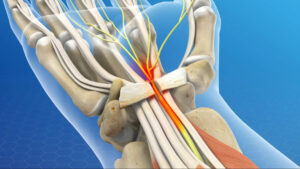
Carpal tunnel syndrome occurs when the median nerve becomes compressed as it travels through the wrist’s carpal tunnel. This pressure may lead to progressive symptoms that interfere with work, sleep, and quality of life. When conservative measures fail to provide relief, surgery may be recommended to decompress the nerve and reduce long-term damage.
What Is Carpal Tunnel Release Surgery?
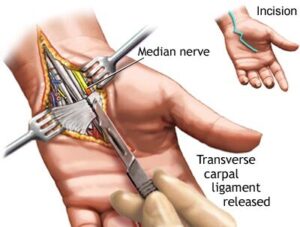
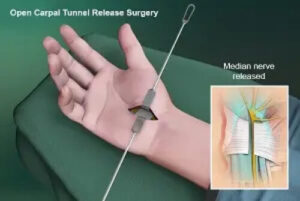
Carpal tunnel release is a surgical procedure designed to relieve pressure on the median nerve by cutting the transverse carpal ligament. This creates more space within the wrist and may reduce symptoms such as numbness, pain, and hand weakness. Modern techniques may involve open or minimally invasive approaches depending on patient anatomy, surgical severity, and physician preference.
Why Is This Procedure Performed?
Surgery is often considered when symptoms become severe, persistent, or resistant to treatments such as wrist splinting, corticosteroid injections, or physical therapy. Research on evidence-based carpal tunnel syndrome management supports timely intervention when conservative therapies fail. Delaying treatment in advanced cases may increase the risk of permanent nerve damage and prolonged functional impairment.
Common Conditions Treated
Carpal tunnel release surgery is most commonly recommended for persistent or worsening carpal tunnel syndrome, severe median nerve compression, progressive hand weakness, chronic nighttime numbness, or repetitive stress injuries that no longer respond to conservative treatment. These conditions may significantly interfere with daily activities, occupational performance, and long-term hand function if left untreated.
Potential Benefits
Patients may experience reduced nerve pain, improved hand strength, better sleep quality, and restoration of fine motor skills. Long-term outcome research from carpal tunnel surgical recovery studies suggests favorable results for many properly selected surgical candidates (Louie, Earp, Collins, et al., 2012).
Additional predictive analysis from recent carpal tunnel outcome data continues to support improved long-term symptom relief when surgery is performed with appropriate patient selection and rehabilitation planning.

Common Symptoms Patients Experience Before Surgery
Before surgery becomes necessary, patients often report worsening neurological or musculoskeletal symptoms that interfere with routine function. Recognizing these warning signs may support earlier intervention and improved treatment planning.
Frequently Reported Symptoms
Many patients report chronic wrist or hand pain, tingling sensations, numbness in the fingers, reduced grip strength, difficulty holding objects, burning discomfort, and sleep disruption caused by nighttime symptoms. As nerve compression progresses, reduced dexterity and functional limitations may become more noticeable, often prompting surgical consultation.
Patients experiencing progressive symptoms should seek orthopedic evaluation, particularly if weakness or muscle atrophy develops.

Preparing for Carpal Tunnel Release Surgery Safely
Successful surgical outcomes often begin with thoughtful preparation. Pre-operative planning may reduce avoidable complications, improve procedural efficiency, and help patients feel physically and mentally prepared for surgery.
Medical Preparation Before Surgery
Before surgery, patients commonly undergo a physical examination, nerve conduction studies, medication review, and surgical clearance. In some cases, imaging or blood work may also be required depending on overall health status. These evaluations help physicians confirm diagnosis severity, optimize procedural planning, and minimize preventable surgical risks.
Medications to Discuss With Your Physician
Patients should carefully review all medications and supplements with their physician prior to surgery. Blood thinners, anti-inflammatory medications, certain herbal supplements, and nicotine use may require temporary adjustments to reduce bleeding risks and support safer healing.
Nutrition & Hydration Considerations
Proper hydration, balanced nutrition, and adequate protein intake may support tissue healing. Smoking cessation is strongly encouraged due to its potential impact on circulation and recovery.
Preparing Your Home for Recovery
Preparing the home environment before surgery can improve comfort during recovery. Patients are often encouraged to create an accessible rest area, arrange transportation, organize medications, prepare meals ahead of time, and temporarily reduce repetitive household tasks that may strain the recovering hand.
The Night Before Surgery
Patients are commonly advised to:
- Follow fasting instructions
- Shower as directed
- Wear comfortable clothing
- Bring identification and medical documents
What to Expect on Surgery Day
Understanding the surgical day process can reduce anxiety and improve patient confidence. Most procedures are outpatient surgeries, allowing patients to return home the same day.
Surgical Day Overview
On surgery day, patients typically complete registration, pre-operative assessment, anesthesia review, and surgical site preparation before the procedure begins. Following surgery, a monitored recovery period allows healthcare providers to assess comfort, circulation, and discharge readiness before returning home.
Procedure Duration
Carpal tunnel release surgery often takes approximately 15 to 60 minutes depending on the surgical technique, severity of nerve compression, and overall case complexity. However, total time spent at the surgical center may be several hours when including pre-operative preparation, anesthesia, recovery monitoring, and discharge instructions.
Anesthesia Options
Options may include:
- Local anesthesia
- Regional block
- Sedation
- General anesthesia in select cases
The most appropriate anesthesia option depends on the patient’s medical history, procedural complexity, comfort level, and surgeon recommendation. Many carpal tunnel procedures are successfully performed using local anesthesia with minimal recovery time afterward.

Carpal Tunnel Release Surgery Recovery Timeline
Recovery varies depending on surgical technique, severity of nerve damage, and individual healing response. Following physician instructions carefully may improve long-term results.
First 24 Hours
Patients may experience swelling, soreness, mild discomfort, and bandaging. Elevation and icing are often recommended.
Week 1
- Dressing care
- Limited hand activity
- Gentle movement encouragement
- Pain medication management
Weeks 2–4
- Suture removal
- Increasing mobility
- Gradual functional improvement
- Possible return to light work
Months 2–3
- Strength rebuilding
- Improved dexterity
- Physical therapy progression
- Continued symptom resolution
Long-Term Recovery
Full nerve recovery may take several months, particularly in cases involving severe or prolonged nerve compression before surgery. While many patients experience gradual improvement in numbness, strength, and hand function, recovery timelines can vary based on overall health, occupational demands, and consistency with rehabilitation recommendations. Long-term outcomes are often improved when patients follow physician guidance, protect the wrist during healing, and participate in appropriate recovery exercises.

Rehabilitation and Physical Therapy After Surgery
Modern rehabilitation strategies are increasingly influenced by both traditional orthopedic protocols and evolving minimally invasive surgical approaches.
According to advanced carpal tunnel treatment innovations, individualized rehabilitation may help optimize functional recovery while reducing prolonged post-operative limitations.
Rehabilitation may play a critical role in restoring hand strength, flexibility, and functional use after surgery. A structured therapy program may reduce stiffness and improve long-term outcomes.
Common Rehabilitation Components
Rehabilitation commonly includes guided stretching, grip strengthening, scar mobility techniques, posture correction, ergonomic education, and progressive return-to-function exercises. These therapies aim to restore flexibility, improve hand coordination, and support safer reintegration into occupational or daily repetitive activities.
Patients returning to repetitive occupational tasks may particularly benefit from guided rehabilitation programs.

Warning Signs After Carpal Tunnel Release Surgery
Although complications are uncommon, patients should monitor carefully for symptoms that may require immediate physician attention.
Contact Your Doctor If You Experience:
Patients should seek immediate medical guidance if they develop fever, severe swelling, redness, drainage, worsening numbness, uncontrolled pain, breathing difficulty, or sudden weakness. Early intervention may help prevent complications and preserve optimal recovery progress.
Prompt evaluation may help prevent more serious complications.

Frequently Asked Questions About Carpal Tunnel Release Surgery
1. How many hours is carpal tunnel surgery?
2. How painful is carpal tunnel release surgery?
3. How much time off work do you need after carpal tunnel surgery?
4. What not to do after carpal tunnel release surgery?

Author
Dr. Jason Billinghurst, MD is a board-certified orthopedic spine surgeon at IntegraMed Orthopedics, Spine & Wellness, trusted by patients throughout Palm Beach County for advanced orthopedic and spine care. Serving Margate, Boynton Beach, West Palm Beach, and Doral, he specializes in minimally invasive spine surgery, disc replacement, and innovative procedures designed to reduce pain, restore mobility, and improve long-term function.
According to Dr. Billinghurst, successful carpal tunnel release outcomes rely on accurate diagnosis, individualized treatment, surgical precision, and dedicated rehabilitation. At IntegraMed, physician-guided care remains central to achieving long-term relief and restored hand function.
References
Louie, D., Earp, B., Collins, J., et al. (2012). Long-term outcomes of carpal tunnel release. PubMed Central.
Mayo Clinic Staff. (2024). New approaches to carpal tunnel release and treatment of tendinopathy. Mayo Clinic.
Keith, M. W., Masear, V., Chung, K., et al. (2009). American Academy of Orthopaedic Surgeons clinical practice guideline on treatment of carpal tunnel syndrome. PubMed Central.
Scientific Reports Authors. (2025). Long-term surgical outcomes and predictive factors in carpal tunnel release. Scientific Reports.