

Hip arthroplasty surgery is a major orthopedic procedure designed to restore mobility, reduce chronic joint pain, and improve long-term quality of life for patients suffering from severe hip damage. This comprehensive guide was created to help patients in West Palm Beach, Boynton Beach, Miami, FL, and beyond understand every stage of the surgical journey with calm, professional, and medically grounded expectations.
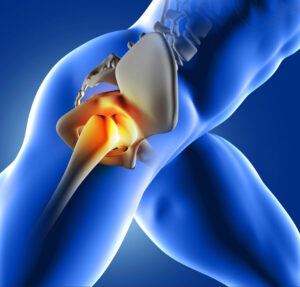
Introduction to Hip Arthroplasty Surgery Preparation and Recovery
Preparing for hip surgery can feel overwhelming, especially for patients navigating pain, mobility limitations, and concerns about recovery. This guide explains what to expect before, during, and after hip arthroplasty surgery while helping patients make informed decisions that may support smoother healing, better mobility outcomes, and greater confidence throughout the treatment process. Patients seeking comprehensive orthopedic care can also explore IntegraMed Orthopedics, Spine & Wellness for additional treatment resources and specialized support.
Patients will find practical information on surgical preparation, hospital expectations, rehabilitation, warning signs, and long-term care. By understanding the process early, individuals can often reduce anxiety while improving physical and emotional readiness for surgery. Evidence-based planning remains essential for successful orthopedic outcomes.
Understanding Hip Arthroplasty Surgery and Why It Is Performed
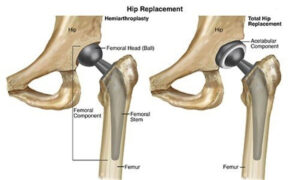
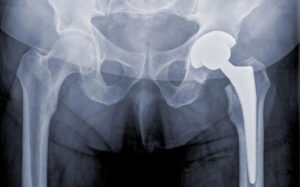
Hip arthroplasty surgery, often called hip replacement surgery, involves replacing damaged portions of the hip joint with prosthetic components designed to restore smoother movement and reduce pain. The procedure is commonly recommended when conservative treatments no longer provide sufficient relief and joint degeneration significantly impacts daily function.
What Is Hip Arthroplasty Surgery?
Modern hip arthroplasty surgery typically replaces the ball-and-socket components of the hip joint affected by cartilage deterioration, arthritis, or injury. According to the National Institutes of Health hip arthroplasty overview, advancements in implant materials and surgical techniques continue improving patient outcomes and procedural durability. Surgeons may perform total or partial replacements depending on severity, patient health, and structural damage.
Why Is This Procedure Performed?
Hip arthroplasty is often recommended when chronic pain, stiffness, and progressive joint deterioration begin interfering with walking, sleep, and everyday independence. Patients with osteoarthritis, rheumatoid arthritis, hip fractures, or avascular necrosis may reach a stage where medications, injections, and physical therapy no longer provide meaningful relief. In these cases, surgery may offer improved function and more sustainable pain reduction.
Common Conditions Treated
Patients suffering from degenerative joint disease often seek surgery when walking, standing, climbing stairs, or sleeping becomes increasingly difficult due to hip deterioration.
Potential Benefits
Potential benefits may include:
- Reduced pain
- Improved joint stability
- Increased range of motion
- Enhanced independence
- Better long-term physical function
Medical literature from orthopedic institutions and national research sources consistently supports hip replacement as an effective intervention for appropriate candidates. The University of Washington total hip arthroplasty review further emphasizes the role of modern surgical planning in improving mobility and reducing chronic pain.

Common Symptoms That May Lead to Hip Arthroplasty Surgery
Many patients do not initially realize how significantly hip degeneration can affect overall health. Persistent symptoms often worsen gradually, leading individuals to delay care until mobility becomes severely compromised. Recognizing early warning signs may help patients pursue treatment before joint damage progresses further.
Common Symptoms Include:
Before surgery becomes necessary, many patients experience persistent groin or hip pain, morning stiffness, reduced flexibility, and increasing difficulty with walking or climbing stairs. Inflammation, weakness, and sleep disruption may gradually worsen as cartilage damage progresses. These symptoms often indicate advancing joint dysfunction and should be professionally evaluated before mobility declines further.

Preparing for Hip Arthroplasty Surgery: Key Medical and Personal Steps
Successful surgical outcomes often begin weeks before the procedure itself. Comprehensive preparation supports safer anesthesia, smoother surgical logistics, and a more manageable post-operative recovery period. Medical teams typically provide individualized instructions, but several universal preparation strategies can significantly improve readiness.
Medical Preparation Before Surgery
In the weeks leading up to surgery, physicians commonly order blood work, imaging studies, cardiac evaluations, and medication reviews to assess surgical readiness. This process helps reduce preventable risks while ensuring anesthesia safety and identifying potential complications early. Personalized pre-operative planning remains one of the most important steps in supporting better surgical outcomes.
Medications to Discuss With Your Doctor
Patients should carefully review blood thinners, anti-inflammatory medications, diabetes treatments, and nutritional supplements with their orthopedic team. Some medications may need to be paused or adjusted before surgery to reduce bleeding risks or improve recovery safety.
Nutrition and Hydration Strategies
Proper hydration, protein intake, and balanced nutrition may significantly support tissue healing after surgery. Physicians often encourage smoking cessation, alcohol reduction, and nutrient-rich meal planning before surgery to optimize recovery capacity and minimize complications.
Preparing Your Home for Recovery
Preparing the home environment can make recovery more manageable. Removing tripping hazards, arranging transportation, preparing meals in advance, and setting up a safe, accessible recovery space may help patients maintain comfort and reduce fall risks during the early healing period.
The Night Before Surgery
Patients are commonly advised to:
- Follow fasting instructions
- Shower with antibacterial soap
- Prepare documents
- Wear comfortable clothing
- Confirm transportation plans

What to Expect on the Day of Hip Arthroplasty Surgery
Understanding surgical day logistics can reduce anxiety and improve confidence. Most patients arrive at the hospital or surgical center several hours early for registration, evaluations, anesthesia preparation, and procedural review before entering the operating room.
Typical Surgery Day Includes:
Most patients arrive several hours early for registration, vital sign monitoring, anesthesia preparation, and final surgical consultations. Once in surgery, the procedure generally lasts one to two hours depending on complexity. Afterward, patients enter a monitored recovery phase where pain control, circulation, and mobility are closely assessed before discharge or overnight care. Recent findings from JAMA Network Open hip replacement recovery outcomes suggest that personalized rehabilitation strategies may significantly influence long-term functional success.
Hip Arthroplasty Surgery Recovery Process and Rehabilitation
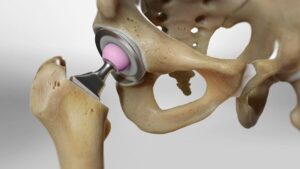
Recovery after hip arthroplasty surgery involves gradual healing, mobility progression, pain management, and rehabilitation planning. While every patient heals differently, understanding standard recovery stages may help individuals set realistic expectations while remaining proactive throughout the process.
Immediate Recovery
The first 24 hours after surgery often involve pain management, assisted walking, swelling control, and physical therapy initiation. While discomfort is expected, early mobilization plays an essential role in reducing complications such as blood clots and supporting faster functional recovery.
Pain Management Strategies
Pain is typically managed through prescription medications, ice therapy, positioning techniques, and gradual movement. Effective pain control allows patients to participate more comfortably in rehabilitation while promoting safer mobility progression.
Mobility and Activity Guidelines
Early movement often supports:
- Blood circulation
- Reduced clot risk
- Improved strength
- Faster independence
Walking assistance devices such as walkers or crutches are often used initially.
Incision Care Essentials
Patients should monitor for:
- Redness
- Drainage
- Fever
- Excess swelling
- Severe pain changes
Proper wound care is essential for infection prevention.
Recovery Timeline After Hip Arthroplasty Surgery
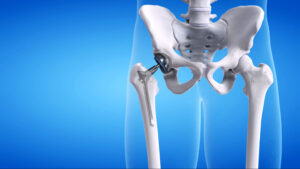
Although timelines vary, many patients benefit from understanding general milestones that characterize normal orthopedic recovery progression. The Arthritis Foundation hip replacement success rates guide notes that modern hip replacement procedures generally maintain high patient satisfaction rates when recovery plans are properly followed.
First 24 Hours
- Standing with assistance
- Pain management begins
- Physical therapy initiation
Week 1
- Mobility improvements
- Swelling persists
- Home support often needed
Weeks 2–4
- Increased walking
- Improved function
- Gradual reduction in discomfort
Months 2–3
- Expanded physical therapy
- Return to light activities
- Increased strength
Long-Term Recovery
- Continued strengthening
- Full activity improvements
- Lifestyle optimization

Physical Therapy and Long-Term Rehabilitation Success
Rehabilitation remains one of the most important factors in achieving successful surgical outcomes. Structured physical therapy helps restore movement patterns, strengthen muscles, improve posture, and reduce complications that may otherwise delay full recovery.
Physical Therapy Goals Include:
Physical therapy focuses on restoring strength, improving range of motion, rebuilding walking mechanics, and supporting long-term joint protection. Structured rehabilitation helps patients safely regain independence while minimizing future complications. Consistency often remains one of the strongest predictors of long-term surgical success. Contemporary outcome research published in the Journal of Arthroplasty rehabilitation study continues to evaluate evolving rehabilitation standards that may further optimize patient mobility and implant longevity.
A well-designed rehabilitation program can also improve posture, balance, and muscular endurance, helping patients transition back to daily activities with greater confidence.

Warning Signs After Surgery: When to Contact Your Doctor
Although most recoveries progress safely, certain symptoms require urgent medical evaluation. Recognizing complications early may help prevent serious health risks.
Contact Your Physician Immediately If You Experience:
- Fever
- Severe swelling
- Chest pain
- Shortness of breath
- Excessive wound drainage
- Worsening numbness
- Calf pain
- Uncontrolled pain
Prompt medical attention remains essential when complications are suspected.
Frequently Asked Questions About Hip Arthroplasty Surgery
1. Is hip arthroplasty a high risk surgery?
2. What’s the best age for hip replacement?
3. How many days bed rest after hip replacement surgery?
4. What is the hardest part of hip replacement recovery?
5. What is normal pain after hip replacement surgery?

Author: Dr. Jason Billinghurst, MD
Dr. Jason Billinghurst is a board-certified orthopedic spine surgeon at IntegraMed, trusted by patients throughout Palm Beach County for advanced musculoskeletal and spine care. Serving Boynton Beach and West Palm Beach, FL, he specializes in minimally invasive spine surgery, disc replacement, kyphoplasty, spinal decompression, and modern pain management therapies designed to reduce discomfort and restore mobility.
References
National Center for Biotechnology Information. (2023) Total Hip Arthroplasty Techniques and Clinical Overview. StatPearls Publishing.
University of Washington Department of Orthopaedics and Sports Medicine. (2024) What Is Hip Replacement? A Review of Total Hip Arthroplasty.
JAMA Network Open. (2023) Recovery and Functional Outcomes Following Hip Arthroplasty Procedures.
Arthritis Foundation. (2024) Hip Replacement Success Rates and Long-Term Patient Outcomes.
The Journal of Arthroplasty. (2023) Advances in Hip Arthroplasty Recovery, Rehabilitation, and Surgical Outcomes.