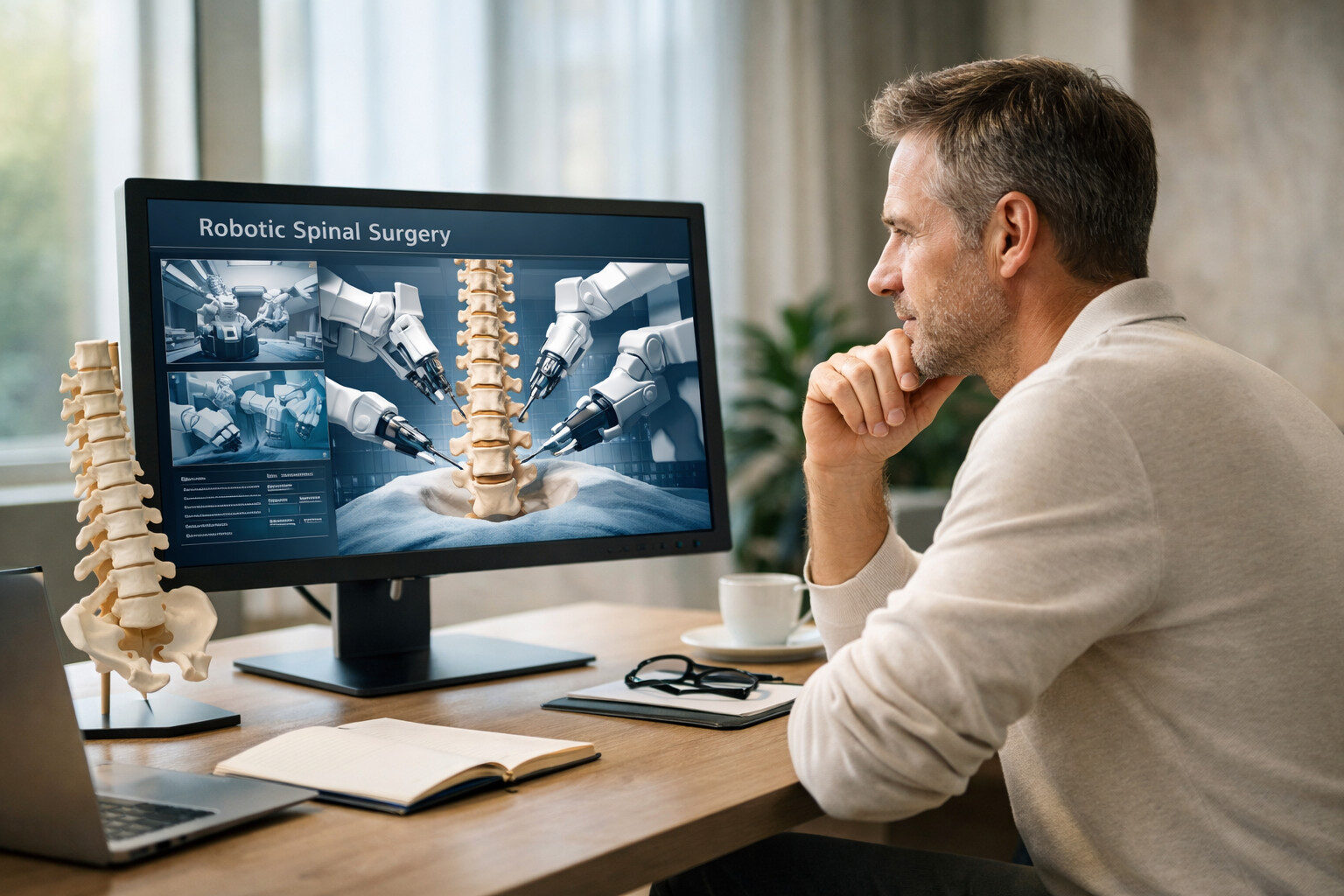

The field of spine surgery has undergone a profound transformation in recent decades, driven by innovations that prioritize precision, reduced tissue damage, and faster recovery. Patients searching for a minimally invasive spine surgeon miami are often seeking alternatives to traditional open surgery, particularly when dealing with chronic back pain, disc herniation, or spinal instability. These modern approaches are rooted in advanced imaging, refined surgical tools, and evidence-based protocols that continue to reshape orthopedic care.

The Role of a Minimally Invasive Spine Surgeon Miami in Modern Orthopedics
A minimally invasive spine surgeon miami plays a critical role in delivering targeted treatments that reduce disruption to surrounding muscles and tissues. Unlike traditional open procedures, these techniques rely on small incisions, specialized instruments, and real-time imaging guidance. This evolution allows surgeons to address complex spinal conditions with a higher degree of accuracy while minimizing postoperative complications and recovery time for patients.
From a clinical standpoint, minimally invasive approaches are often guided by the principles outlined in research published by the National Institutes of Health, which highlights reduced blood loss and shorter hospital stays as key benefits.
Key Benefits of Minimally Invasive Spine Surgery
Minimally invasive spine surgery offers several advantages that have made it increasingly preferred among both patients and providers. These benefits are not only practical but also supported by clinical evidence across multiple orthopedic studies.
- Reduced muscle and tissue damage
- Lower risk of infection
- Shorter hospital stays
- Faster recovery and return to daily activities
- Less postoperative pain

Endoscopic Spine Surgery: A Breakthrough in Precision
Endoscopic spine surgery represents one of the most significant advancements in minimally invasive care, allowing surgeons to visualize internal structures through high-definition cameras inserted via small incisions. This technique is especially effective for treating herniated discs, spinal stenosis, and nerve compression, offering a level of precision that was previously unattainable in traditional surgical settings.
According to clinical findings published in Journal of Spine Surgery, minimally invasive approaches such as endoscopic spine surgery are associated with improved patient outcomes when combined with accurate imaging techniques and careful patient selection. The literature highlights that these procedures can reduce postoperative pain, minimize tissue disruption, and support faster recovery when performed under standardized clinical protocols.
How Endoscopic Procedures Work
Endoscopic spine procedures rely on a combination of advanced imaging and micro-instruments that allow surgeons to operate through incisions often less than one centimeter. The process typically includes:
- Insertion of a thin endoscope with a camera
- Visualization of spinal structures on a monitor
- Removal or correction of damaged tissue
- Minimal disruption to surrounding anatomy
This method aligns with the broader goals of modern orthopedic care, where precision and patient safety are prioritized.
Robotic-Assisted Spine Surgery and the Evolution of Technology
Robotic-assisted spine surgery is rapidly becoming a cornerstone of advanced orthopedic care, providing surgeons with enhanced accuracy and reproducibility. These systems integrate preoperative imaging with real-time navigation, allowing for precise placement of screws, implants, and other surgical components.
For patients seeking an orthopedic spine surgeon miami, robotic systems offer an additional layer of confidence. By reducing human error and improving alignment accuracy, robotic assistance contributes to better long-term outcomes, particularly in complex spinal reconstruction procedures.
Advantages of Robotic Integration
The integration of robotics into spine surgery has introduced several measurable benefits:
- Enhanced surgical precision
- Improved implant placement accuracy
- Reduced radiation exposure for surgeons
- Greater consistency across procedures
These advancements are reshaping expectations for both patients and providers in cities like Miami, where access to cutting-edge medical technology continues to expand.

Comparing Traditional and Minimally Invasive Spine Approaches
Understanding the differences between traditional and minimally invasive techniques is essential for patients evaluating their options. While open surgery remains necessary in certain cases, minimally invasive procedures are often preferred due to their reduced impact on the body and faster recovery timelines.
An orthopedic surgeon spine specialist typically assesses multiple factors before recommending a surgical approach, including the severity of the condition, patient health status, and imaging results. This individualized evaluation ensures that the chosen treatment aligns with both clinical needs and patient expectations.

Choosing the Right Minimally Invasive Spine Surgeon Miami
Selecting the right specialist is one of the most important decisions a patient can make. While technology plays a significant role, the surgeon’s experience, training, and clinical judgment remain critical to achieving optimal outcomes.
5 Factors to Consider When Choosing a Spine Surgeon
- Board certification and specialized training
- Experience with endoscopic and robotic procedures
- Access to advanced surgical technology
- Patient reviews and clinical outcomes
- Commitment to personalized care
Patients researching a minimally invasive spine surgeon miami should also consider facilities that emphasize multidisciplinary care, where surgeons collaborate with physical therapists, pain specialists, and rehabilitation experts.

Regional Perspective: From Miami to Boynton Beach, FL
While Miami is a hub for advanced surgical care, patients across South Florida are increasingly seeking high-quality spine treatment options closer to home. Facilities such as IntegraMed Health have become recognized for their comprehensive approach, integrating diagnostic evaluation, conservative management, and referrals for advanced surgical care when necessary.
This regional connectivity ensures that patients benefit from both local accessibility and access to specialized expertise in larger metropolitan centers.

The Future of Spine Surgery: Innovation and Patient-Centered Care
The future of spine surgery is defined by continuous innovation and a growing emphasis on patient-centered outcomes. Advances in imaging, artificial intelligence, and surgical robotics are expected to further refine minimally invasive techniques, making procedures safer and more effective.
As research continues to evolve, institutions and specialists are increasingly adopting evidence-based practices that prioritize long-term health and quality of life. This shift reflects a broader trend in medicine, where technology and clinical expertise work together to deliver more precise and personalized care.

Expert Perspective on Modern Spine Care
The evolution of endoscopic and robotic spine procedures represents a significant step forward in orthopedic medicine. These techniques not only improve surgical precision but also enhance patient recovery and overall outcomes, making them a preferred choice for many individuals facing spinal conditions.
As **Dr. Vera Billinghurst, PharmD, CPh, explains, “Advancements in minimally invasive spine surgery reflect a broader movement toward precision medicine, where treatments are tailored to the individual while minimizing unnecessary risk.” Her perspective highlights the importance of combining innovation with clinical responsibility in modern healthcare.
References
Staub, B. N., et al. (2019) The use of robotics in minimally invasive spine surgery. PubMed Central.
Mobbs, R. J., et al. (2019) Lumbar interbody fusion: techniques, indications and comparison of interbody fusion options. Journal of Spine Surgery.