

Patients considering surgery for chronic neck pain, nerve compression, or cervical spine instability often have many questions about the procedure, recovery process, and expected outcomes. This guide was created to help patients better understand every stage of treatment, from pre-operative preparation through rehabilitation and long-term recovery. By learning what to expect before, during, and after surgery, patients can approach treatment with greater confidence and realistic expectations regarding healing and recovery.
Undergoing spinal surgery can feel overwhelming, especially when symptoms have affected daily activities, work performance, sleep quality, or overall mobility. This guide provides educational information regarding preparation, procedural expectations, recovery milestones, rehabilitation, and post-operative care following Cervical Fusion Surgery. Proper preparation, active participation in rehabilitation, and adherence to physician recommendations may contribute to a smoother recovery experience and improved long-term outcomes (Fehlings et al., 2016). Patients seeking specialized spinal care in West Palm Beach can benefit from individualized evaluation and treatment planning based on their specific condition and overall health status.
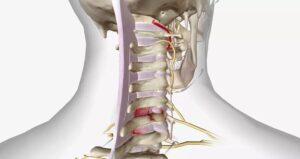
Understanding Cervical Fusion Surgery
Cervical spine disorders can develop gradually through age-related degeneration or occur suddenly following trauma or injury. When conservative treatments such as medication, physical therapy, injections, or activity modification no longer provide adequate symptom relief, surgical intervention may be considered. The goal of cervical fusion procedures is generally to stabilize affected spinal segments, relieve nerve compression, and improve function while reducing pain and neurological symptoms.
Surgical techniques continue to evolve as technology advances. Recent multilevel cervical fusion research has explored tissue-sparing approaches and their potential role in improving outcomes for certain patients requiring treatment across multiple spinal levels.
What Is Cervical Fusion Surgery?
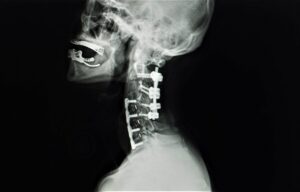
Cervical fusion is a surgical procedure designed to permanently join two or more vertebrae within the neck portion of the spine. During surgery, damaged discs or unstable spinal structures may be removed and replaced with graft materials or implants that encourage bone growth between vertebrae. Over time, the treated segments fuse into a single stable structure.
Patients researching treatment options can learn more about cervical fusion surgery through comprehensive educational resources that explain surgical approaches, recovery expectations, and treatment considerations.
Why Is This Procedure Performed?
The procedure is commonly recommended when spinal instability or nerve compression causes persistent symptoms that significantly affect quality of life. Cervical fusion may be considered after conservative treatment options have failed to provide sufficient improvement. Surgical decision-making typically involves imaging studies, neurological evaluation, symptom severity assessment, and review of functional limitations.
Conditions Commonly Treated
Several spinal disorders may lead physicians to recommend cervical fusion surgery, including:
- Cervical degenerative disc disease
- Cervical spinal stenosis
- Herniated cervical discs
- Cervical radiculopathy
- Myelopathy
- Spinal instability
- Fractures or traumatic injuries
- Certain spinal deformities
Potential Benefits
Potential benefits may vary depending on the underlying condition, but commonly include improved spinal stability, reduced nerve compression, decreased pain, improved neurological function, and enhanced quality of life. Research examining cervical spine surgery outcomes has demonstrated that many appropriately selected patients experience meaningful improvements in pain relief, neurological symptoms, and daily function following treatment (Fehlings et al., 2016).

Common Symptoms Before Cervical Fusion Surgery
Many patients experience progressive symptoms before surgery is recommended. These symptoms often develop gradually and may worsen over time as nerve compression or spinal instability increases. Understanding common pre-operative symptoms can help patients better recognize why surgical intervention may be considered when conservative treatment options are no longer effective.
Common symptoms may include persistent neck pain, radiating arm pain, numbness or tingling in the shoulders and hands, muscle weakness, coordination difficulties, reduced grip strength, headaches, and limitations in mobility. Some patients may also experience balance disturbances or worsening neurological symptoms that require prompt medical evaluation.

Preparing for Cervical Fusion Surgery
Successful surgical outcomes often begin weeks before the procedure itself. Pre-operative preparation allows physicians to evaluate overall health, identify potential risk factors, optimize medical conditions, and ensure patients understand the recovery process. Careful preparation may contribute to a safer surgical experience and a smoother transition into rehabilitation.
Medical Preparation
Patients commonly undergo laboratory testing, imaging studies, medical clearance examinations, and surgical consultations before their procedure. Updated MRI, CT, or X-ray imaging helps surgeons evaluate spinal anatomy and plan treatment strategies. Discussions regarding prior surgeries, medications, allergies, and chronic health conditions are also important components of pre-operative planning.
Medications to Discuss
Patients should review all medications and supplements with their physician. Certain substances may increase bleeding risks or interfere with surgical recovery. Examples include blood thinners, anti-inflammatory medications, herbal supplements, and certain vitamins. Individual recommendations should always come directly from the surgical team.
Nutrition and Hydration
Maintaining proper hydration and nutritional status before surgery may support recovery. Adequate protein intake can help promote tissue healing and recovery following surgery. Patients may also receive recommendations regarding alcohol consumption, smoking cessation, and dietary adjustments prior to their procedure.
Preparing Your Home
Many patients find it helpful to prepare their recovery environment before surgery. Consider:
- Creating a comfortable sleeping area
- Preparing meals in advance
- Arranging transportation assistance
- Removing fall hazards
- Keeping essential items within reach
- Organizing medications and follow-up appointments
The Night Before Surgery
Patients typically receive instructions regarding fasting requirements, showering protocols, medication schedules, and arrival times. Comfortable clothing, identification documents, insurance information, and medical records should be prepared ahead of time to reduce stress on surgery day.

What to Expect on Surgery Day
Knowing what occurs on the day of surgery often helps reduce anxiety and allows patients to feel more prepared for the experience. Although protocols vary by facility and procedure type, most cervical fusion surgeries follow a similar process involving pre-operative preparation, anesthesia administration, surgical treatment, and post-operative monitoring.
Arrival and Check-In
Patients generally arrive several hours before surgery. During check-in, healthcare teams verify medical information, review consent forms, and perform final assessments before the procedure begins.
Anesthesia and Surgical Preparation
Most cervical fusion procedures are performed under general anesthesia. After anesthesia is administered, the surgical team positions the patient carefully and prepares the operative area according to sterile surgical protocols.
Procedure Duration
Procedure length varies depending on the number of spinal levels involved, surgical approach, and individual anatomy. Many procedures require approximately two to four hours, although more complex cases may require additional time.
Recovery Room
Following surgery, patients are transferred to a recovery area where vital signs, neurological function, pain levels, and overall condition are closely monitored before discharge or hospital admission.

Recovery After Cervical Fusion Surgery
Recovery occurs gradually and varies among individuals. Understanding normal recovery milestones can help patients establish realistic expectations while remaining engaged in their rehabilitation process. Most recovery plans focus on pain control, mobility progression, activity modification, and protecting the surgical site during healing.
Immediate Recovery
During the first several days, patients commonly experience soreness, stiffness, fatigue, and mild swelling. Temporary discomfort while swallowing may occur depending on the surgical approach used. Pain management strategies are individualized and may include medication, positioning techniques, and activity modifications.
Pain Management
Post-operative discomfort typically improves gradually over time. Physicians may recommend prescription medications, ice application, proper posture, and sleeping modifications to support comfort during the early stages of recovery.
Mobility and Activity
Walking is frequently encouraged shortly after surgery because gentle movement may support circulation and recovery. However, heavy lifting, repetitive neck movements, and strenuous activities are generally restricted until healing progresses appropriately.
Incision Care
Patients receive detailed instructions regarding wound care, dressing changes, showering guidelines, and signs of infection. Prompt communication with healthcare providers is recommended if concerning symptoms develop.

Cervical Fusion Surgery Recovery Timeline
Recovery progresses through several phases as healing continues and spinal fusion develops. Individual experiences vary, but understanding general timelines can help patients anticipate milestones and maintain realistic expectations throughout rehabilitation. Recovery timelines vary between individuals, but evidence evaluating long-term cervical fusion outcomes suggests many patients continue experiencing improvements in pain, function, and quality of life well beyond the initial recovery period.
First 24 Hours
Initial recovery focuses on pain control, neurological monitoring, mobility assessment, and discharge planning when appropriate.
Week One
Patients often continue resting while gradually increasing walking activities. Fatigue and stiffness remain common during this stage.
Weeks Two Through Four
Many individuals begin increasing daily activities while following lifting restrictions and physician recommendations. Follow-up appointments commonly occur during this period.
Months Two Through Three
Physical therapy may begin or progress depending on healing status. Strength, endurance, posture, and mobility improvements often become more noticeable.
Long-Term Recovery
Bone fusion develops gradually over several months. Return-to-work timelines vary depending on occupational demands. Some patients return to sedentary work within several weeks, while physically demanding occupations may require longer recovery periods. Research examining cervical fusion complication rates and outcomes continues to support careful patient selection and comprehensive rehabilitation strategies.

Physical Therapy and Rehabilitation
Rehabilitation plays an important role in helping patients restore function and optimize long-term outcomes. Therapy programs are individualized and typically progress according to healing milestones established by the surgical team. Consistency with prescribed exercises and activity recommendations may contribute to improved mobility, strength, posture, and overall function.
Therapy programs often incorporate gentle stretching, strengthening exercises, posture training, ergonomic education, movement retraining, and gradual activity progression. Patients interested in advanced spinal treatment options often explore educational resources related to minimally invasive spine surgery florida, particularly when evaluating different surgical approaches available for cervical conditions.

Warning Signs and When to Contact Your Doctor
Although most recoveries progress without major complications, patients should remain aware of symptoms that warrant medical attention. Early communication with healthcare providers can help address concerns promptly and support safe recovery. While complications are relatively uncommon, patients should remain informed about potential risks throughout recovery. Published analyses reviewing cervical fusion complication rates emphasize the importance of early recognition of concerning symptoms and close communication with the surgical team.
Contact your physician if you experience:
- Fever or chills
- Significant wound drainage
- Severe swelling
- Difficulty breathing
- Progressive weakness
- Worsening numbness
- Uncontrolled pain
- Sudden neurological changes
Patients seeking evaluation from a qualified spine surgeon miami or experienced orthopedic back surgeon should discuss any concerning symptoms promptly to ensure appropriate medical assessment.
Frequently Asked Questions
-
What is the best age for Cervical Fusion Surgery?
There is no single ideal age. Surgical candidacy depends more on symptom severity, spinal pathology, neurological findings, overall health, and response to conservative treatment than on age alone.
- How bad is pain after Cervical Fusion Surgery?
Most patients experience post-operative discomfort that gradually improves over the first several weeks. Pain levels vary depending on the surgical approach, individual pain tolerance, and the complexity of the procedure.
-
How long are you off work after Cervical Fusion Surgery?
Return-to-work timelines vary considerably. Sedentary occupations may allow earlier return, while physically demanding jobs often require a longer recovery period before work restrictions are lifted.
-
What to expect 6 months after Cervical Fusion Surgery?
Many patients have resumed normal daily activities by six months. Continued improvement in strength, mobility, and overall comfort may occur as fusion maturation progresses.
-
What not to do after Cervical Fusion Surgery?
Patients should avoid lifting beyond physician recommendations, smoking, excessive neck stain, high-impact activities, and ignoring post-operative instructions during recovery.

Reviewed by Dr. Jason Billinghurst, MD
Dr. Jason Billinghurst, MD is a board-certified orthopedic surgeon with extensive experience treating spinal disorders, musculoskeletal conditions, and complex orthopedic injuries. Through IntegraMed Orthopedics, Spine & Wellness, Dr. Billinghurst works alongside a multidisciplinary team dedicated to helping patients understand their treatment options and make informed healthcare decisions.
Dr. Jason Billinghurst’s Opinion: “Patients who are appropriately selected for cervical fusion surgery and who actively participate in pre-operative preparation and post-operative rehabilitation often achieve meaningful improvements in function, stability, and quality of life. Successful outcomes typically result from a combination of precise surgical planning, realistic expectations, and commitment to the recovery process.”
References
- Fehlings, M. G., Tetreault, L. A., Wilson, J. R., et al. (2016). Cervical spine surgery outcomes. PubMed Central.
- Epstein, N. E. (2019). A Review of Complication Rates for Anterior Cervical Diskectomy and Fusion (ACDF). Surgical Neurology International.
- PR Newswire. (2025). Landmark Clinical Study Published in Spine Demonstrates Superiority of Tissue-Sparing Circumferential Cervical Fusion Over ACDF Alone in Multilevel Cervical Fusion Surgery.
- BMC Musculoskeletal Disorders. (2025). Long-Term Cervical Fusion Outcomes. PubMed.