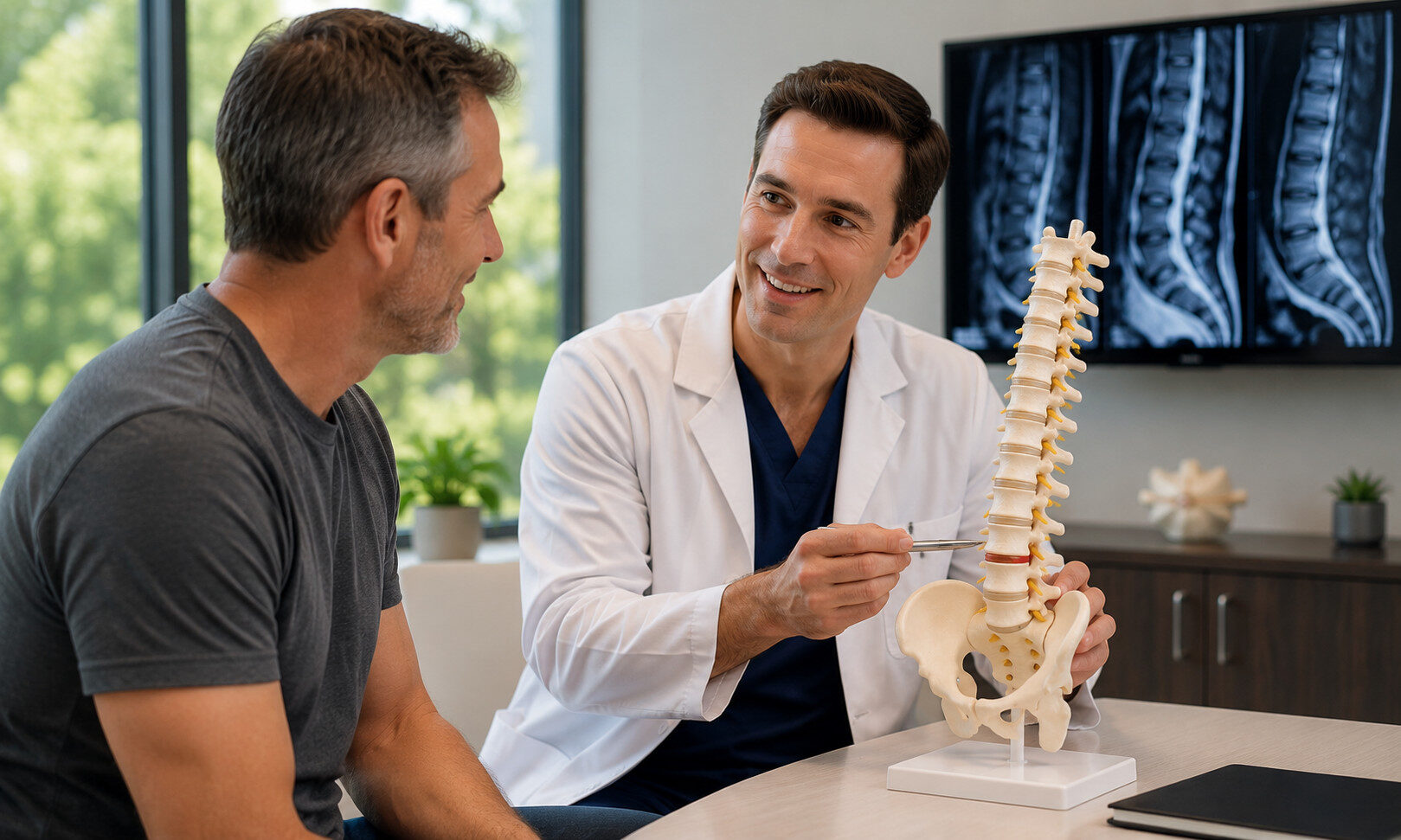
A herniated disc can cause persistent back pain, leg pain, numbness, and other nerve-related symptoms. While many patients improve with physical therapy, medications, or injections, others continue to experience discomfort that affects daily activities.
For patients who do not improve with non-surgical care, minimally invasive spine surgery Florida may be an option. These techniques use smaller incisions to relieve nerve compression while limiting damage to surrounding muscles and tissues.
At IntegraMed, patients receive individualized evaluations from experienced spine specialists, including Dr. Jason Billinghurst, to determine the most appropriate treatment plan based on their condition, symptoms, and goals.
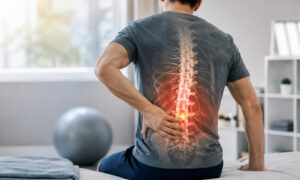
Understanding Herniated Discs
The spine contains soft, cushion-like discs located between vertebrae. These discs help absorb shock and allow flexibility during movement.
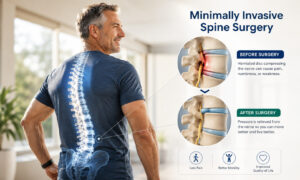
A herniated disc occurs when the inner portion of the disc pushes through its outer layer and places pressure on nearby nerves. This nerve compression can cause significant pain and neurological symptoms.
According to AAOS, herniated discs most commonly affect the lumbar spine and frequently cause symptoms radiating into the legs (American Academy of Orthopaedic Surgeons, n.d.).
Common Causes
Several factors may contribute to disc herniation:
- Age-related degeneration
- Repetitive lifting
- Poor body mechanics
- Traumatic injury
- Obesity
- Smoking
- Occupational strain
Risk Factors
Individuals may face increased risk if they:
- Perform repetitive bending
- Frequently lift heavy objects
- Maintain prolonged sitting positions
- Have a family history of disc disease
- Experience degenerative spinal changes
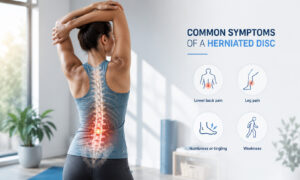
Common Symptoms of a Herniated Disc
Symptoms vary depending on the location and severity of nerve compression.
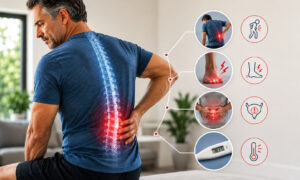
Lower Back Symptoms
Many patients report:
- Persistent lower back pain
- Muscle spasms
- Reduced flexibility
- Difficulty standing
Patients often seek evaluation after experiencing chronic back pain symptoms that interfere with daily activities.
Leg Symptoms
Nerve compression may cause:
- Sciatica
- Tingling sensations
- Numbness
- Burning pain
- Weakness
- Difficulty walking
Research indicates that prolonged nerve compression may increase the risk of persistent neurological deficits if left untreated (Burton et al., 2025).

When Conservative Treatment Is Not Enough
Most herniated discs improve without surgery.
Conservative treatment may include:
- Physical therapy
- Anti-inflammatory medications
- Activity modification
- Epidural injections
- Chiropractic care
However, surgery may become appropriate when symptoms continue despite months of treatment.
Potential Surgical Indicators
Patients may be candidates when they experience:
- Persistent pain
- Progressive weakness
- Walking limitations
- Significant numbness
- Functional impairment
- Imaging-confirmed nerve compression
Evaluation by an experienced spine surgeon in boynton beach helps determine whether surgery may be beneficial.

How Minimally Invasive Spine Surgery Florida Works
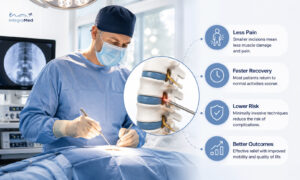
Modern minimally invasive procedures use specialized instruments and advanced imaging guidance to access spinal structures through smaller incisions.
The primary objective is to relieve pressure on compressed nerves while minimizing disruption to surrounding tissue.
Advantages of Smaller Incisions
Potential benefits may include:
- Less muscle damage
- Reduced blood loss
- Lower postoperative discomfort
- Faster recovery
- Smaller scars
- Shorter hospital stays
Studies examining minimally invasive spinal procedures have demonstrated favorable outcomes for carefully selected patients (National Library of Medicine, 2016).
Common Procedures
Depending on the diagnosis, surgeons may recommend:
- Microdiscectomy
- Endoscopic discectomy
- Nerve decompression procedures
- Minimally invasive fusion procedures
Some patients may also require laminectomy surgery when spinal stenosis accompanies disc herniation and contributes to nerve compression.

Benefits of Early Evaluation
Many patients delay specialist evaluation for months or years.
Early assessment may help:
- Confirm diagnosis
- Prevent worsening symptoms
- Identify neurological deficits
- Develop an effective treatment plan
Prompt diagnosis may also help distinguish herniated discs from other conditions that mimic nerve compression.
Recovery After Minimally Invasive Surgery
Recovery varies according to:
- Procedure type
- Patient health
- Severity of compression
- Rehabilitation participation
First Week
Patients may experience:
- Mild soreness
- Fatigue
- Activity restrictions
Short walks are commonly encouraged.
Weeks Two Through Six
Recovery often includes:
- Increased mobility
- Reduced pain
- Gradual return to activities
Months Two Through Three
Many patients continue progressing through:
- Strength training
- Physical therapy
- Functional rehabilitation
Research suggests that structured rehabilitation plays an important role in long-term recovery following spine surgery (Ailon et al., 2022).

Physical Therapy and Long-Term Spine Health
Physical therapy remains a cornerstone of successful recovery.
Rehabilitation Goals
Programs may focus on:
- Core strengthening
- Postural correction
- Flexibility
- Walking endurance
- Functional movement patterns
Preventing Future Problems
Patients may reduce future spine stress by:
- Maintaining a healthy weight
- Using proper lifting techniques
- Staying physically active
- Avoiding tobacco use
- Practicing good posture
Jefferson Health reports that comprehensive rehabilitation strategies contribute significantly to improved long-term outcomes following lumbar spine procedures (Jefferson Health, 2021).
Potential Risks and Considerations
Although minimally invasive techniques are generally considered safe, every surgical procedure carries potential risks.
Possible complications include:
- Infection
- Bleeding
- Nerve injury
- Blood clots
- Persistent symptoms
- Recurrent disc herniation
Dr. Jason Billinghurst emphasizes careful patient selection and individualized treatment planning to help minimize risk and optimize outcomes.
Warning Signs Requiring Immediate Medical Attention
Patients should contact their healthcare provider if they experience:
- Fever above 101°F
- New weakness
- Worsening numbness
- Severe uncontrolled pain
- Loss of bowel or bladder control
- Incision drainage
- Significant swelling
- Shortness of breath
Prompt evaluation may help prevent serious complications.
Why Patients Choose IntegraMed
IntegraMed Orthopedics, Spine & Wellness provides advanced orthopedic and spine care throughout South Florida.
Patients benefit from:
- Comprehensive evaluations
- Advanced imaging
- Evidence-based treatment plans
- Minimally invasive surgical options
- Personalized rehabilitation programs
Frequently Asked Questions
- Can a herniated disc heal without surgery?
Many herniated discs improve with conservative treatment, although some patients eventually require surgery.
- Is minimally invasive surgery painful?
Patients typically experience some postoperative discomfort, but many report manageable pain levels during recovery.
- How long does recovery take?
Recovery varies by procedure and patient factors but often continues improving over several months.
- When can I return to work?
Return-to-work timelines depend on the type of work performed and healing progress.
- Will I need physical therapy?
Many patients benefit from rehabilitation programs after surgery.
- Is minimally invasive spine surgery Florida right for me?
A consultation with a spine specialist is necessary to determine candidacy based on symptoms, imaging findings, and treatment history.

Reviewed by Dr. Jason Billinghurst, MD
Dr. Jason Billinghurst is a board-certified orthopedic spine specialist with extensive experience treating complex spinal conditions through both conservative and surgical approaches. His clinical focus includes motion-preserving procedures, spinal reconstruction, minimally invasive techniques, and patient-centered treatment planning.
References
American Academy of Orthopaedic Surgeons. (2026). Herniated disk in the lower back. OrthoInfo.
Mayo Clinic. (2026). Herniated disk: Symptoms and causes.
Gregory, D. S., Seto, C. K., Wortley, G. C., & Shugart, C. M. (2008). Acute lumbar disk pain: Navigating evaluation and treatment choices. American Family Physician, 78(7), 835–842.
Pokorny, G., Reddy, C. G., Buchlak, Q. D., et al. (2022). Minimally invasive versus open surgery for degenerative lumbar pathologies: A systematic review and meta-analysis. Journal of Clinical Neuroscience.
McClelland, S., III, & Goldstein, J. A. (2017). Minimally invasive versus open spine surgery: What does the best evidence tell us? Journal of Neurosciences in Rural Practice, 8(2), 194–198.
Dowling, T. J., & Munakomi, S. (2025). Microdiscectomy. StatPearls Publishing.
Kwon, B., et al. (2025). Advances in endoscopic lumbar spine surgery. Neurospine.
Macedo, L. G., Hum, A., Kuleba, L., et al. (2024). Evaluation and rehabilitation after adult lumbar spine surgery. Archives of Physiotherapy.