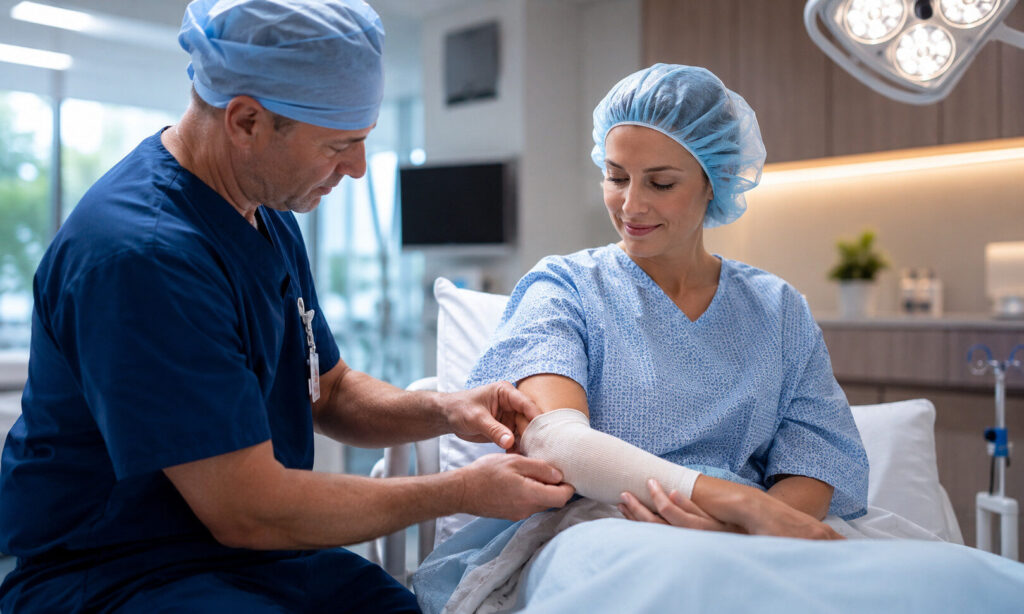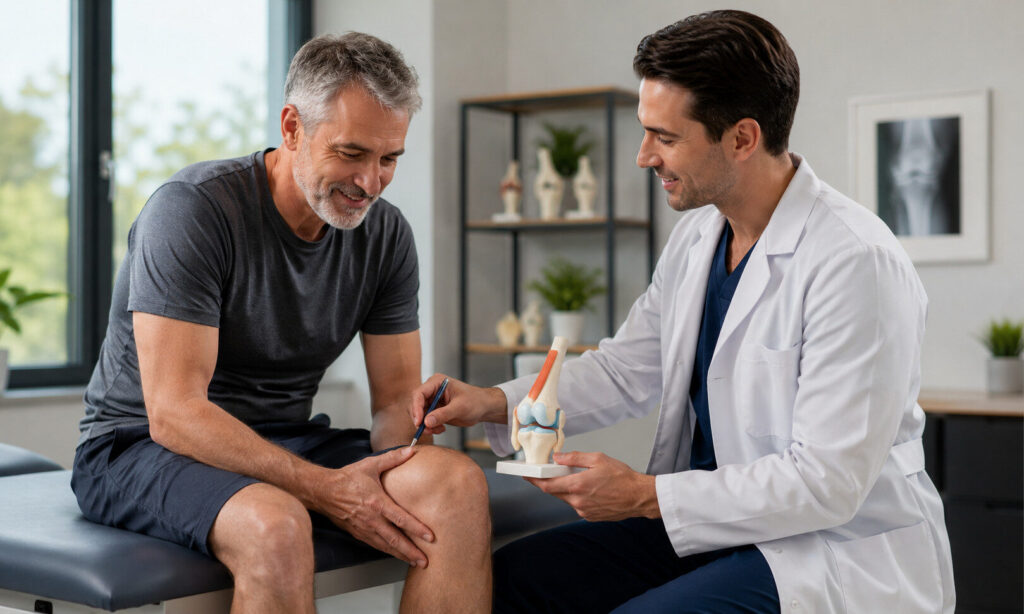
Severe fractures require immediate medical attention to prevent complications, restore proper bone alignment, and support long-term recovery. When a bone breaks due to trauma, sports injuries, or accidents, timely evaluation by specialists becomes essential. Facilities such as an orthopedic and fracture clinic are specifically equipped to diagnose fractures, stabilize the injured area, and develop a treatment plan that promotes safe healing while minimizing long-term damage to surrounding tissues.
Patients experiencing serious injuries in communities such as West Palm Beach often rely on orthopedic specialists to quickly evaluate the extent of damage using imaging technology and physical examination. Rapid care is especially important when fractures affect joints, blood vessels, or nerves. Understanding how emergency fracture care works can help patients seek the right treatment quickly and reduce the risk of complications during recovery.

What Happens During Emergency Care at an Orthopedic and Fracture Clinic
When someone experiences a serious bone injury, visiting an orthopedic and fracture clinic allows specialists to evaluate the fracture and determine the best course of treatment. Orthopedic clinics are designed to manage musculoskeletal injuries efficiently, using diagnostic tools and treatment methods that focus on restoring proper bone alignment and protecting surrounding tissues.
These clinics play an important role within modern Orthopedics, the medical field dedicated to diagnosing and treating conditions affecting bones, joints, muscles, ligaments, and tendons. Specialists evaluate the severity of fractures and determine whether immobilization, reduction procedures, or surgical intervention is necessary to stabilize the injury.
Initial Assessment and Diagnosis
Orthopedic specialists begin by examining the injured area and asking questions about how the injury occurred. This helps determine the type and severity of the fracture.
Imaging and Diagnostic Tools
X-rays are commonly used to confirm fractures and assess bone alignment. In more complex injuries, CT scans or MRI imaging may be required to evaluate surrounding soft tissues and joint structures.

Signs That You Need Immediate Orthopedic Care
Recognizing the warning signs of a severe fracture is critical because delays in treatment can worsen damage or complicate recovery. Medical professionals recommend seeking urgent care if symptoms indicate significant structural injury to the bone or joint.
Patients in Palm Beach, Fl frequently visit specialized clinics when accidents or sports injuries result in severe pain or limited movement. Prompt treatment ensures proper stabilization and helps reduce the risk of long-term complications such as joint stiffness, nerve damage, or chronic pain.
Common Symptoms of a Severe Fracture
Patients should seek medical care if they experience:
- Intense pain at the injury site
- Visible bone deformity or abnormal limb positioning
- Swelling and bruising around the injured area
- Difficulty moving the limb or bearing weight
- Numbness or tingling near the injury
When Emergency Care Is Essential
Fractures that involve open wounds, joint displacement, or severe swelling should be evaluated immediately by orthopedic specialists. Rapid treatment reduces the risk of infection and improves overall recovery outcomes.

Treatment Options at an Orthopedic and Fracture Clinic
Once the fracture has been diagnosed, doctors at an orthopedic and fracture clinic determine the most appropriate treatment based on the location, severity, and complexity of the injury. Treatment plans are designed to restore bone alignment, protect surrounding tissues, and support proper healing, while also considering factors such as overall joint function and, in some cases, aspects like shoulder replacement surgery recovery time when evaluating long-term outcomes.
Some fractures can heal with non-surgical treatment such as immobilization using casts or braces. However, more severe injuries may require surgical intervention to stabilize the bone using plates, screws, or rods, especially when joint integrity or mobility could be affected.
Non-Surgical Treatment
Non-surgical approaches are typically used for fractures where bones remain properly aligned.
Common treatments include:
- Casting or splinting to immobilize the bone
- Pain management and anti-inflammatory medications
- Activity restrictions during healing
Surgical Treatment
When fractures are displaced or unstable, surgery may be necessary to restore proper alignment.
Procedures may include internal fixation using metal plates or screws, or external fixation devices that stabilize bones during healing.

The Role of Rehabilitation After a Fracture
Healing does not end when the bone repairs itself. Rehabilitation is a critical part of the recovery process, helping patients regain strength, flexibility, and normal movement patterns after immobilization or surgery.
Many patients searching for orthopedic physical therapy near me begin therapy programs shortly after their fracture has stabilized. These programs focus on gradually restoring movement while preventing stiffness and muscle loss.
Why Physical Therapy Is Important
After weeks of immobilization, muscles surrounding the injured bone may weaken. Therapy helps restore strength and coordination so patients can safely return to daily activities.
Types of Rehabilitation Techniques
Therapy programs may include stretching exercises, strength training, joint mobility work, and balance training. These techniques help improve function and prevent reinjury.

Benefits of Advanced Orthopedic Physical Therapy
Modern rehabilitation techniques have significantly improved fracture recovery outcomes. Many clinics now incorporate advanced orthopedic physical therapy methods that combine specialized exercise programs with technology-assisted treatments to support healing.
These therapies focus not only on restoring movement but also on improving biomechanics and muscle coordination. This approach helps patients regain confidence in their movements and reduces the risk of long-term mobility limitations.
5 Key Benefits of Advanced Orthopedic Rehabilitation
- Faster recovery and return to normal activities
- Improved joint mobility and flexibility
- Stronger muscles supporting the injured bone
- Reduced risk of long-term stiffness or weakness
- Better overall functional movement patterns
By combining targeted exercises with expert supervision, advanced rehabilitation programs help ensure that recovery continues long after the bone itself has healed.

Expert Perspective From Dr. Gus J. Leotta III
Orthopedic specialists stress that immediate care and structured rehabilitation are the foundations of successful fracture treatment. According to Dr. Gus J. Leotta III, patients who receive early evaluation and follow a carefully designed recovery plan are far more likely to regain full mobility and avoid long-term complications.
From the perspective of IntegraMed, Dr. Leotta explains that specialized orthopedic clinics provide patients with access to comprehensive care—from emergency fracture stabilization to rehabilitation. He emphasizes that combining expert diagnosis, modern surgical techniques, and guided therapy is the most effective approach for helping patients recover safely and return to normal activities.