

Living with chronic lower back pain can significantly affect mobility, sleep quality, work performance, and overall quality of life. When conservative treatment options no longer provide sufficient relief, surgery may become an important consideration. This guide was created to help patients understand what to expect before, during, and after lumbar fusion surgery. By understanding the procedure, preparation requirements, recovery process, and rehabilitation expectations, patients can approach treatment with greater confidence and realistic expectations. Proper preparation and post-operative care may support a smoother recovery and improved overall outcomes (AOAO, 2022).
Being told that spinal surgery may be necessary can feel overwhelming, particularly when symptoms have already been affecting daily activities for an extended period. This guide was developed to provide patients with clear, evidence-based information regarding lumbar fusion, including why the procedure may be recommended, how to prepare, what occurs during surgery, and what recovery typically involves. For individuals seeking orthopedic and spine care in Miami (Doral), understanding the treatment process can help reduce uncertainty and support more informed healthcare decisions. The goal is to help patients understand the importance of preparation, rehabilitation, and long-term spinal health after surgery.
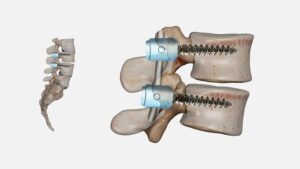
Understanding Lumbar Fusion Surgery
Lumbar fusion is a surgical procedure designed to stabilize portions of the lower spine that may be contributing to pain, nerve compression, or abnormal movement. While many patients achieve relief through non-surgical treatment, some spinal conditions continue to progress despite conservative care. In these situations, fusion may be recommended to improve spinal stability, reduce symptoms, and help patients regain function. Advances in surgical techniques continue to improve outcomes and expand available treatment options.
What Is Lumbar Fusion Surgery?
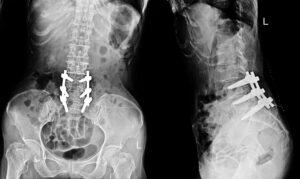
Lumbar fusion surgery involves permanently joining two or more vertebrae within the lower spine. During the procedure, bone graft material is placed between the affected vertebrae, and surgical hardware such as rods and screws may be used to provide stability while the fusion develops. Over time, the treated vertebrae heal together into a single solid structure, limiting painful movement at the affected spinal level.
Why Is This Procedure Performed?
The procedure is typically recommended when spinal instability, degenerative changes, or structural abnormalities contribute to chronic pain or neurological symptoms. In many cases, lumbar fusion is considered after medications, physical therapy, spinal injections, and activity modifications have failed to provide adequate relief.
Conditions Commonly Treated
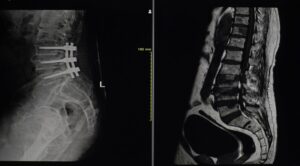
Lumbar fusion may be performed to address several spinal conditions, including degenerative disc disease, spondylolisthesis, recurrent disc herniation, spinal instability, certain spinal fractures, and some forms of spinal deformity. The decision to recommend surgery depends on imaging findings, symptom severity, physical examination results, and the patient’s overall health profile.
Potential Benefits
Potential benefits of lumbar fusion may include improved spinal stability, reduced nerve irritation, decreased pain, improved mobility, and enhanced quality of life. Research evaluating lumbar spine fusion effectiveness suggests that many appropriately selected patients experience meaningful improvements in function and symptom control following surgery (Jefferson Health, 2021). Additionally, studies examining long-term lumbar fusion outcomes emphasize the importance of patient selection, surgical planning, and rehabilitation in achieving successful results (AOAO, 2022).
Patients evaluating surgical options may also discuss whether modern approaches such as minimally invasive spine surgery florida techniques are appropriate for their condition.

Common Symptoms Before Surgery
Patients who ultimately undergo lumbar fusion often experience symptoms that have persisted for months or even years. These symptoms may gradually worsen despite attempts at conservative treatment and can significantly affect daily activities. Understanding the most common symptoms associated with conditions that may require lumbar fusion helps patients recognize when specialist evaluation may be appropriate.
Chronic lower back pain is one of the most common complaints leading to surgical evaluation. Many patients also experience radiating pain into the legs, numbness, tingling sensations, muscle weakness, difficulty standing for extended periods, and reduced walking tolerance. Some individuals report feelings of instability within the lower back or recurring episodes of severe pain that limit normal movement. Consultation with an experienced spine surgeon miami specialist can help determine whether symptoms may be related to an underlying structural spinal condition.
Preparing for Lumbar Fusion Surgery
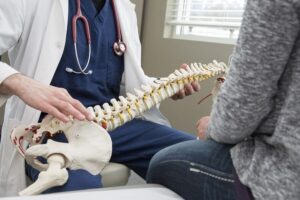
Preparation begins well before the day of surgery and plays an important role in recovery. The weeks leading up to lumbar fusion often involve medical evaluations, medication reviews, lifestyle modifications, and planning for post-operative support. Patients who actively participate in the preparation process are often better positioned to navigate recovery and rehabilitation with confidence.
Medical Preparation
Prior to surgery, patients typically undergo a comprehensive evaluation that may include blood work, imaging studies, cardiac clearance when necessary, and a detailed review of medical history. These assessments help identify potential risk factors and ensure the patient is medically prepared for anesthesia and surgery. According to recent lumbar fusion clinical findings, careful patient optimization before surgery may contribute to improved outcomes and recovery experiences (PubMed, 2025).
Before proceeding with surgery, patients should have a detailed discussion with an experienced orthopedic back surgeon regarding the goals of treatment, expected outcomes, potential risks, and recovery expectations. Understanding each step of the process can help patients feel more confident and prepared as they move forward with lumbar fusion treatment.
Medications to Discuss
Patients should provide their surgical team with a complete list of prescription medications, over-the-counter products, and dietary supplements. Certain medications, including blood thinners, anti-inflammatory drugs, and herbal supplements, may require temporary adjustment before surgery. Any medication changes should only be made under physician guidance.
Nutrition and Hydration
Good nutritional habits may help support healing following surgery. Maintaining adequate hydration and prioritizing protein intake can contribute to tissue repair and recovery. Smoking cessation is particularly important because tobacco use has been associated with impaired bone healing and reduced fusion success rates. Current lumbar fusion recovery research continues to evaluate factors that influence long-term outcomes and successful fusion development (National Institutes of Health, 2022).
Preparing Your Home
Many patients find it beneficial to prepare their home environment before surgery. Creating a comfortable recovery area, arranging transportation, preparing meals ahead of time, and minimizing fall hazards may help make the recovery period safer and more manageable. Patients should also consider any assistance they may need during the first few weeks following surgery.
Night Before Surgery
The evening before surgery typically involves following fasting instructions, showering according to physician recommendations, preparing comfortable clothing, and ensuring all necessary documents are readily available. Following these instructions carefully may help reduce surgical risks and support a smoother experience on the day of surgery.

What to Expect on Surgery Day
Understanding what happens on the day of surgery can help reduce anxiety and allow patients to feel more prepared. While every surgical center operates slightly differently, most patients follow a similar process from arrival through immediate recovery. Knowing what to expect can make the experience feel more predictable and less stressful.
Hospital or Surgical Center Arrival
Patients generally arrive several hours before the scheduled procedure. During this time, registration is completed, vital signs are obtained, and final evaluations are performed. The surgical team reviews the treatment plan and answers any remaining questions.
Anesthesia and Surgical Preparation
Lumbar fusion is commonly performed under general anesthesia, meaning patients remain asleep throughout the procedure. Once anesthesia is administered, the surgical team prepares the operative area and positions the patient appropriately for surgery.
Procedure Duration
Lumbar fusion surgery commonly takes between two and six hours depending on the complexity of the case, the number of spinal levels involved, and the surgical technique being used. More extensive procedures may require additional operative time. Following surgery, patients are transferred to a recovery area for close monitoring as anesthesia wears off.
Recovery Room
In the recovery room, healthcare professionals monitor vital signs, pain levels, neurological function, and overall stability. Once patients meet recovery criteria, they are transferred to a hospital room where the next phase of recovery begins.
Recovery After Lumbar Fusion Surgery
Recovery following lumbar fusion surgery is a gradual process that extends beyond the initial hospital stay. While surgical techniques continue to evolve, the body’s natural healing process still requires time and patience. Recovery experiences vary depending on factors such as age, overall health, the complexity of the procedure, and adherence to post-operative instructions. Understanding what to expect during the weeks and months after surgery can help patients establish realistic expectations and remain actively engaged in their rehabilitation journey.
Immediate Recovery
The first several days after surgery are primarily focused on pain control, mobility, and monitoring for complications. Patients commonly experience soreness around the surgical site, stiffness, fatigue, and some degree of swelling. Healthcare providers often encourage walking shortly after surgery because gentle movement may help improve circulation, reduce the risk of certain complications, and support the recovery process.
Pain Management
Pain levels vary significantly among patients, but some degree of discomfort is expected during the early stages of recovery. Physicians may recommend a combination of prescription medications, activity modifications, positioning techniques, and other pain management strategies. As healing progresses, many patients gradually reduce their reliance on medication while increasing daily activity levels according to physician guidance.
Mobility and Activity
Walking is often considered one of the most beneficial activities during early recovery. Patients are typically encouraged to increase walking distances gradually while avoiding excessive bending, twisting, or lifting. Activity restrictions are intended to protect the healing fusion site and allow bone growth to occur without unnecessary stress. Following movement guidelines carefully is an important component of long-term recovery.
Incision Care
Proper incision care helps reduce the risk of infection and supports normal healing. Patients receive specific instructions regarding dressing changes, showering, and monitoring the surgical site. Any unusual redness, drainage, swelling, or changes in the appearance of the incision should be reported to the surgical team promptly.

Lumbar Fusion Surgery Recovery Timeline
Recovery following lumbar fusion surgery occurs gradually and varies based on factors such as the number of spinal levels treated, overall health, age, surgical technique, and adherence to rehabilitation recommendations. While every patient’s experience is unique, many individuals progress through similar recovery stages. Understanding these milestones can help patients establish realistic expectations and better prepare for the physical and functional improvements that typically occur throughout the healing process.
First 24 Hours
The initial recovery period focuses on monitoring, pain management, and safe mobility. Patients are usually encouraged to stand and walk short distances with assistance when medically appropriate. Healthcare providers monitor neurological function, surgical site status, circulation, and overall stability while providing instructions regarding movement precautions and post-operative care.
Week 1
During the first week after surgery, soreness, stiffness, and fatigue are common. Walking remains one of the most important recovery activities because it promotes circulation and helps restore mobility. Patients continue following restrictions regarding bending, twisting, and lifting while gradually increasing their daily activity level according to physician recommendations.
Weeks 2–4
Many patients begin experiencing gradual improvements in mobility and reductions in post-operative discomfort during this phase. Follow-up appointments allow the surgical team to evaluate healing progress and review recovery goals. Walking tolerance often increases, and some patients may begin physician-approved rehabilitation exercises designed to support flexibility and strength.
Months 2–3
As healing progresses, physical therapy may become more structured and focus on posture, core stability, strength, and movement mechanics. Some individuals with sedentary occupations may have returned to work by this stage, while patients with physically demanding jobs may continue activity restrictions until additional healing occurs.
Long-Term Recovery
Bone fusion develops gradually and may continue for six to twelve months or longer. During this period, patients progressively return to normal activities according to physician guidance. Long-term success often depends on rehabilitation compliance, maintaining a healthy lifestyle, avoiding tobacco use, and following all post-operative recommendations throughout the recovery process. Full recovery timelines vary, but many patients continue noticing improvements in comfort, mobility, and overall function well beyond the first few months after surgery.

Physical Therapy & Rehabilitation
Physical therapy plays a critical role in helping patients recover safely after lumbar fusion surgery. Rehabilitation programs are designed to restore strength, improve mobility, enhance posture, and promote healthy movement patterns while protecting the healing fusion. A structured rehabilitation plan may also help patients regain confidence in their physical abilities as they return to normal activities.
During the early phases of therapy, treatment often focuses on gentle mobility exercises and walking progression. As recovery advances, patients may begin strengthening exercises targeting the core, hips, and supporting muscles of the spine. Postural training and movement education are frequently incorporated to reduce stress on the lower back and encourage long-term spinal health.
The ultimate goal of rehabilitation is not only to recover from surgery but also to improve overall function and help patients safely return to work, recreation, and daily activities. Consistent participation in therapy and adherence to physician recommendations are often important contributors to successful long-term outcomes.

Warning Signs & When to Contact Your Doctor
Although most patients recover without major complications, it is important to recognize symptoms that may require prompt medical attention. Early communication with the healthcare team can help address potential concerns before they become more serious.
Patients should contact their physician immediately if they experience:
- Fever or chills
- Increasing redness, swelling, or drainage around the incision
- Severe or worsening pain that is not controlled with prescribed treatment
- Difficulty breathing or chest pain
- New or worsening numbness or weakness
- Loss of bowel or bladder control
Prompt evaluation of these symptoms may help identify complications early and support appropriate treatment when necessary.
Frequently Asked Questions
-
How many hours is Lumbar Fusion Surgery?
Most lumbar fusion procedures take between two and six hours depending on the complexity of the operation, the number of spinal levels being treated, and the surgical approach used. Total time spent at the hospital or surgical center is often longer due to preoperative preparation and post-operative recovery monitoring.
-
How painful is Lumbar Fusion Surgery?
Pain levels vary from patient to patient, but some degree of post-operative discomfort is expected. Many patients report that surgical pain gradually improves during the first several weeks of recovery. Pain management strategies, activity modifications, and rehabilitation programs are commonly used to help support a comfortable recovery process.
-
How much time off work do you need after Lumbar Fusion Surgery?
The amount of time away from work depends on the physical demands of the occupation and the individual’s recovery progress. Patients with desk-based jobs may return within several weeks, while physically demanding occupations often require a longer recovery period and physician clearance before returning to full duties.
-
What not to do after Lumbar Fusion Surgery?
Patients are generally advised to avoid heavy lifting, excessive bending, twisting movements, smoking, and high-impact activities during recovery. Ignoring activity restrictions or returning to strenuous activities too soon may place unnecessary stress on the healing fusion and potentially affect recovery outcomes.

Reviewed by Dr. Jason Billinghurst, MD
Dr. Jason Billinghurst is a board-certified orthopedic surgeon with extensive experience diagnosing and treating spinal, joint, and musculoskeletal conditions. Through IntegraMed Orthopedics, Spine & Wellness, he works closely with patients to develop individualized treatment plans focused on improving mobility, reducing pain, and helping patients return to the activities that matter most to them. His approach emphasizes evidence-based care, patient education, and comprehensive treatment planning before and after surgery.
Dr. Jason Billinghurst’s Opinion: “Successful lumbar fusion outcomes begin with proper preparation and continue through every stage of recovery. Patients who actively participate in rehabilitation, follow post-operative instructions carefully, and maintain realistic expectations often place themselves in the strongest position for long-term improvement, restored function, and a better quality of life.”
References
- Ailon, T., Smith, J. S., Shaffrey, C. I., et al. (2022). Recovery and outcomes following lumbar fusion surgery. PubMed Central.
- Burton, D. C., Bess, S., Bridwell, K. H., et al. (2025). Recent clinical findings related to lumbar fusion procedures. PubMed.
- American Osteopathic Academy of Orthopedics. (2022). Lumbar Fusion Success and Sequelae: A Narrative Review. AOAO.
- Jefferson Health. (2021). Examining the Value of Lumbar Spine Fusion. Jefferson Health.