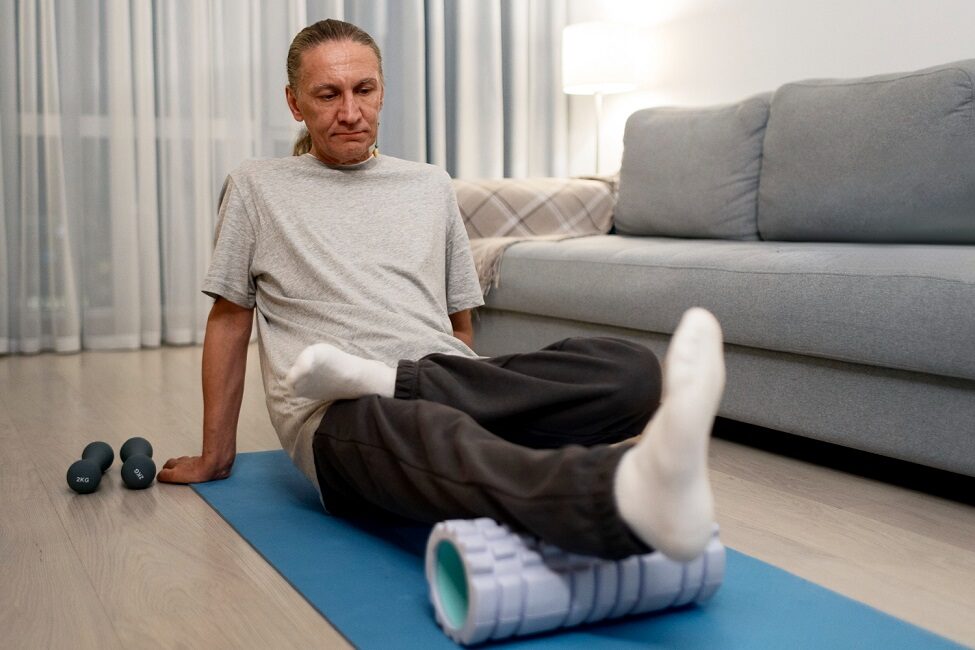

Knee arthroplasty surgery can significantly improve mobility, reduce chronic joint pain, and help patients regain independence when conservative treatments are no longer effective. This comprehensive guide was developed to help patients understand every stage of the surgical process, from preparation through rehabilitation, with clear, medically grounded information designed to support confident decision-making.
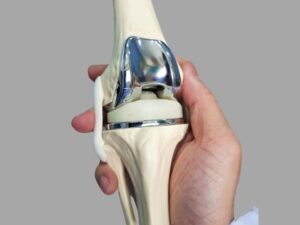
Introduction: What Patients Should Know Before Knee Arthroplasty Surgery
This guide was created to help patients understand what to expect before, during, and after knee arthroplasty surgery. Proper preparation, realistic expectations, and structured post-operative care can help support smoother rehabilitation, minimize complications, and improve long-term outcomes for individuals pursuing advanced orthopedic treatment in locations such as IntegraMed Orthopedics Doral in Miami, FL.
Understanding Knee Arthroplasty Surgery and When It Is Recommended
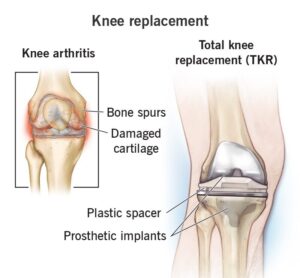
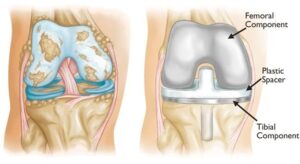
Knee arthroplasty surgery, often called total or partial knee replacement, involves replacing damaged joint surfaces with prosthetic components to restore function and reduce pain. According to orthopedic research, this procedure is most commonly recommended when severe arthritis, degenerative joint disease, or traumatic damage significantly impairs daily life despite physical therapy, medication, or injections.
What Is Knee Arthroplasty Surgery?
Knee arthroplasty replaces worn cartilage and damaged bone with artificial implants designed to replicate natural movement. Advances in modern implant technology, including living knee replacement research, continue to improve outcomes and durability, while evolving regenerative strategies may shape the future of orthopedic reconstruction.
Why Is This Procedure Performed?
Patients often pursue knee arthroplasty when progressive joint damage severely limits mobility, causes chronic pain, or reduces independence. Advanced osteoarthritis remains the most common reason, though rheumatoid arthritis, traumatic injuries, severe deformity, and persistent mechanical dysfunction may also make surgery necessary when conservative therapies no longer provide meaningful relief.
Potential Benefits
For many patients, knee arthroplasty surgery offers meaningful long-term improvements that extend beyond pain reduction. Benefits often include restored mobility, improved joint function, better balance, enhanced daily comfort, and greater independence, allowing individuals to return to many activities that had become difficult or impossible due to degenerative knee conditions.

Common Symptoms That May Lead to Knee Arthroplasty Surgery
Patients considering knee arthroplasty surgery often experience progressive symptoms that interfere with mobility, sleep, and daily activities. Symptoms may worsen gradually over time and often indicate advanced joint deterioration that may no longer respond to conservative interventions, making orthopedic evaluation increasingly important.
Common Pre-Surgical Symptoms
Before surgery becomes necessary, many patients experience persistent warning signs that progressively interfere with daily life. Chronic knee pain, recurring swelling, stiffness, weakness, instability, and difficulty climbing stairs are among the most common complaints. Limited range of motion and worsening inflammation may also indicate advancing joint degeneration.

Preparing for Knee Arthroplasty Surgery: Essential Medical and Home Steps
Successful surgical outcomes often begin weeks before the actual procedure. Proper medical optimization, medication review, nutritional support, and home preparation can reduce complications and create a safer environment for post-surgical recovery. Preparation is often as critical as the procedure itself for improving rehabilitation success.
Medical Preparation
Pre-surgical planning typically involves a comprehensive medical evaluation to optimize safety. This often includes bloodwork, imaging studies, physician clearance, medication adjustments, and infection screening. These steps help surgeons identify potential risks early while ensuring the body is physically prepared for anesthesia and successful orthopedic intervention. Comprehensive standards outlined in NIH clinical overviews emphasize the importance of detailed perioperative preparation.
Medications to Discuss With Your Doctor
Medication review is essential before surgery, as certain prescriptions and supplements may increase bleeding risk or interfere with anesthesia. Blood thinners, anti-inflammatory medications, herbal supplements, diabetes therapies, and steroids should all be discussed thoroughly with the surgical team to minimize avoidable complications.
Nutrition and Hydration Priorities
Nutritional preparation can play a major role in recovery quality. Patients are often encouraged to improve hydration, prioritize protein intake, reduce alcohol consumption, and avoid smoking when possible. Following fasting instructions carefully the night before surgery is equally important for reducing anesthesia-related risks.
Preparing Your Home
Home preparation supports safer recovery during the critical first weeks after surgery. Removing fall hazards, organizing a comfortable recovery space, preparing meals in advance, arranging transportation, and improving accessibility can significantly reduce stress while helping patients maintain safety during early mobility limitations.
What to Expect on the Day of Knee Arthroplasty Surgery
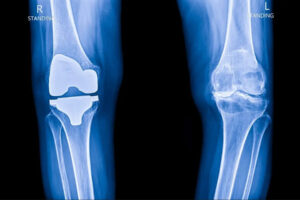
Understanding surgical day logistics can reduce anxiety and improve confidence. Most patients arrive several hours early for check-in, anesthesia review, and surgical preparation. The procedure itself typically lasts one to two hours depending on complexity, implant type, and whether partial or total replacement is performed.
Surgery Day Overview
On surgery day, patients generally arrive early for final evaluations, vital sign monitoring, anesthesia consultation, and procedural preparation. Once surgery is completed, recovery room observation allows clinicians to manage pain, monitor vital functions, and begin early rehabilitation planning before discharge or inpatient recovery.
Procedure Duration
Most total knee arthroplasty procedures take approximately 1–2 hours, though preparation and recovery room observation extend total facility time.

Knee Arthroplasty Surgery Recovery Timeline and Rehabilitation Process
Recovery from knee arthroplasty surgery occurs in structured phases and varies based on age, health, and adherence to rehabilitation protocols. Evidence from the New England Journal of Medicine knee replacement outcomes study suggests many patients experience substantial improvements in function, particularly when physical therapy is prioritized consistently during early healing stages.
First 24 Hours
- Assisted standing or walking
- Pain management
- Swelling control
- Initial therapy exercises
Week 1
- Mobility progression
- Walker or cane support
- Home exercises
- Incision monitoring
Weeks 2–4
- Increased walking distance
- Improved range of motion
- Formal physical therapy
- Reduced swelling
Months 2–3
- Strengthening exercises
- Return to light work
- Greater independence
- Functional mobility improvements
Long-Term Recovery
Long-term recovery after knee arthroplasty surgery often continues for 6–12 months as strength, flexibility, balance, and endurance gradually improve. While many patients return to normal daily activities within the first few months, ongoing physical therapy, consistent movement, and healthy lifestyle habits can continue enhancing mobility and joint function over time. Some mild stiffness or swelling may still appear periodically during extended activity, but most individuals experience meaningful improvements in comfort, stability, and overall quality of life as recovery progresses.

Physical Therapy After Knee Arthroplasty Surgery
Physical therapy is one of the most important factors influencing long-term success after surgery. Structured rehabilitation supports strength restoration, gait normalization, flexibility, and implant longevity while helping reduce stiffness, one of the most common patient complaints after surgery. Findings from HSS revision risk research also reinforce the long-term value of disciplined recovery and joint preservation strategies.
Rehabilitation Focus Areas
Physical therapy programs are carefully structured to restore flexibility, strength, and functional movement. Rehabilitation commonly emphasizes stretching, quadriceps strengthening, gait retraining, balance improvement, posture correction, and progressive mobility exercises to help maximize long-term implant performance and patient independence.

Warning Signs After Knee Arthroplasty Surgery: When to Contact Your Doctor
While many symptoms are normal during recovery, certain complications require immediate medical evaluation. Early detection of infection, blood clots, or mechanical issues can significantly improve outcomes and prevent severe complications.
Contact Your Surgeon If You Experience:
While some discomfort is expected, warning signs such as fever, severe swelling, unusual drainage, worsening redness, uncontrolled pain, chest discomfort, breathing difficulty, or progressive numbness may indicate serious complications and should prompt immediate medical evaluation.
Frequently Asked Questions About Knee Arthroplasty Surgery
1. How painful is knee arthroplasty?
2. What should I be doing 3 days after knee replacement surgery?
3. What is the biggest complaint after knee replacement surgery?
4. How long is a total knee arthroplasty surgery?
5. What are the five mistakes people make after knee replacement?
Common mistakes include:
- Skipping physical therapy
- Overexerting too early
- Ignoring warning signs
- Poor medication adherence
- Unsafe home environments
Advances in Knee Replacement Outcomes and Research
Emerging orthopedic innovations continue to improve implant durability, surgical precision, and patient outcomes. Additional advancements highlighted in recent total knee arthroplasty innovations research showcase evolving technologies, robotic precision, and implant design improvements that may further enhance patient outcomes over time.

Author
Dr. Jason Billinghurst, MD is a board-certified orthopedic spine surgeon at IntegraMed Orthopedics, Spine & Wellness, trusted throughout Palm Beach County and South Florida for advanced spine and joint care. Serving Boynton Beach, West Palm Beach, Margate, and Doral/Miami, he specializes in minimally invasive surgery, disc replacement, kyphoplasty, spinal decompression, and modern orthopedic solutions designed to reduce pain and restore mobility.
Dr. Billinghurst’s professional opinion: Successful knee arthroplasty surgery depends on precise surgical care, personalized preparation, and disciplined rehabilitation. Through IntegraMed’s comprehensive approach, patients can pursue safer recovery, stronger mobility, and improved long-term quality of life.
References
PubMed Central. (2025) Recent total knee arthroplasty innovations research.
University of Missouri School of Medicine. (2025) Groundbreaking living knee joint replacement research.
National Institutes of Health. (2023) Knee arthroplasty clinical overviews.
New England Journal of Medicine. (2015) Outcomes and effectiveness of total knee replacement surgery.
Hospital for Special Surgery. (2025) Revision risk research for young active total knee replacement patients.